Explore eight factory-ready references from the original 16-style set. Each card preserves the original product image and product URL. Use these styles as starting points for material selection, last development, outsole engineering, decoration, packaging, and private-label line planning. The reference set spans girls' ballerinas, ladies' loafers, women's flats, pumps, casual walking sneakers, and adjacent men's hiking and sport references—useful for brands building a coordinated footwear family or evaluating category expansion.
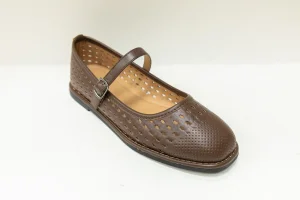
A lightweight flat reference for girls' and young women's private-label ranges.
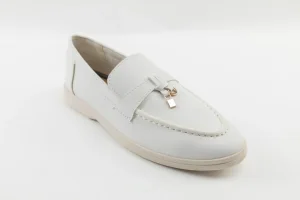
A polished loafer reference for office, retail, and smart-casual assortments.
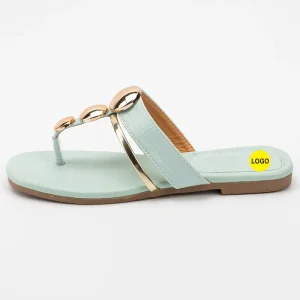
A flexible women's flats reference for buyers comparing factories and construction options.
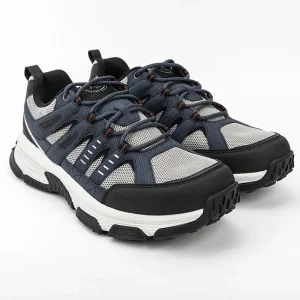
An outdoor-inspired reference showing how technical materials and outsole design can transfer into unisex programs.
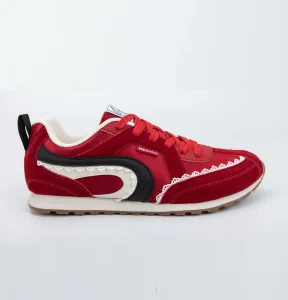
A fashion-casual walking sneaker reference with mixed-material upper potential.
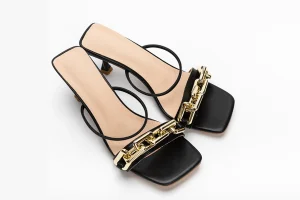
A dress occasion reference for heel pitch, upper decoration, and comfort engineering discussions.
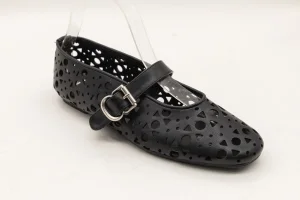
A seasonal fashion flat reference for color stories, material and trim variation.
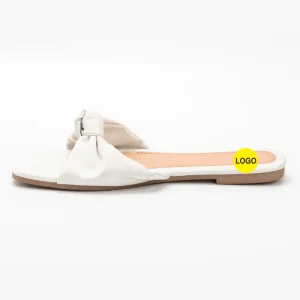
A decorated ladies' flat reference for private-label feminine collections and gifting lines.
Queries that combine OEM, women's boots, shoes, suppliers, and supplier rarely come from casual shoppers. They typically come from brand owners, importers, wholesalers, retail buying teams, and e-commerce operators who are moving from discovery to supplier validation. Search engines reward pages that answer the full semantic field: product capability, manufacturing expertise, material options, compliance evidence, sampling workflow, customization depth, order planning, and after-sales communication.
The buyer wants to know who makes women's boots and shoes, which factories accept OEM or ODM programs, and what categories are available. A strong supplier page should show reference styles, construction types, and category boundaries rather than only generic claims.
The buyer compares evidence: sample accuracy, fit consistency, quality inspection, restricted substances, export documentation, design responsiveness, and communication speed. Specific evidence beats broad self-description during supplier shortlisting.
The buyer needs a supplier who can move from prototype to pilot order and then to repeat production without losing the approved fit, finish, or packaging standard. The real question is not only “Can you make this shoe?” but “Can you reproduce it consistently?”
Welcome to Search4Fun – a global leader in comprehensive shoe manufacturing and trading. We specialize in providing high-quality shoe design, R&D, and production services for the international market. Established in 1990, we have leveraged 20 years of industry experience and the geographical advantages in Shenzhen to offer an exceptional range of footwear products to our global clients. Our products include sandals, baby shoes, slippers, sports shoes, and leather shoes, all meeting international quality standards to satisfy diverse market needs.
For buyers sourcing OEM women's boots and shoes suppliers, this heritage matters because footwear development is a chain of dependencies: upper material, lining, last shape, heel pitch, outsole tooling, decoration, packaging, testing, and shipping must work as one system. Search4Fun's manufacturing and trading background supports that integrated view, while the product reference set below gives buyers concrete starting points for discussion.

Relying on the rich experience of our parent company over the past 20 years, Search4Fun has continuously innovated in the design and production of footwear products since its inception. We are constantly improving our techniques and processes to provide efficient and high-quality products and services to our global customers. Although our online department has been established for three years, it has quickly become a key platform for serving global customers, particularly excelling in design updates and market responsiveness.
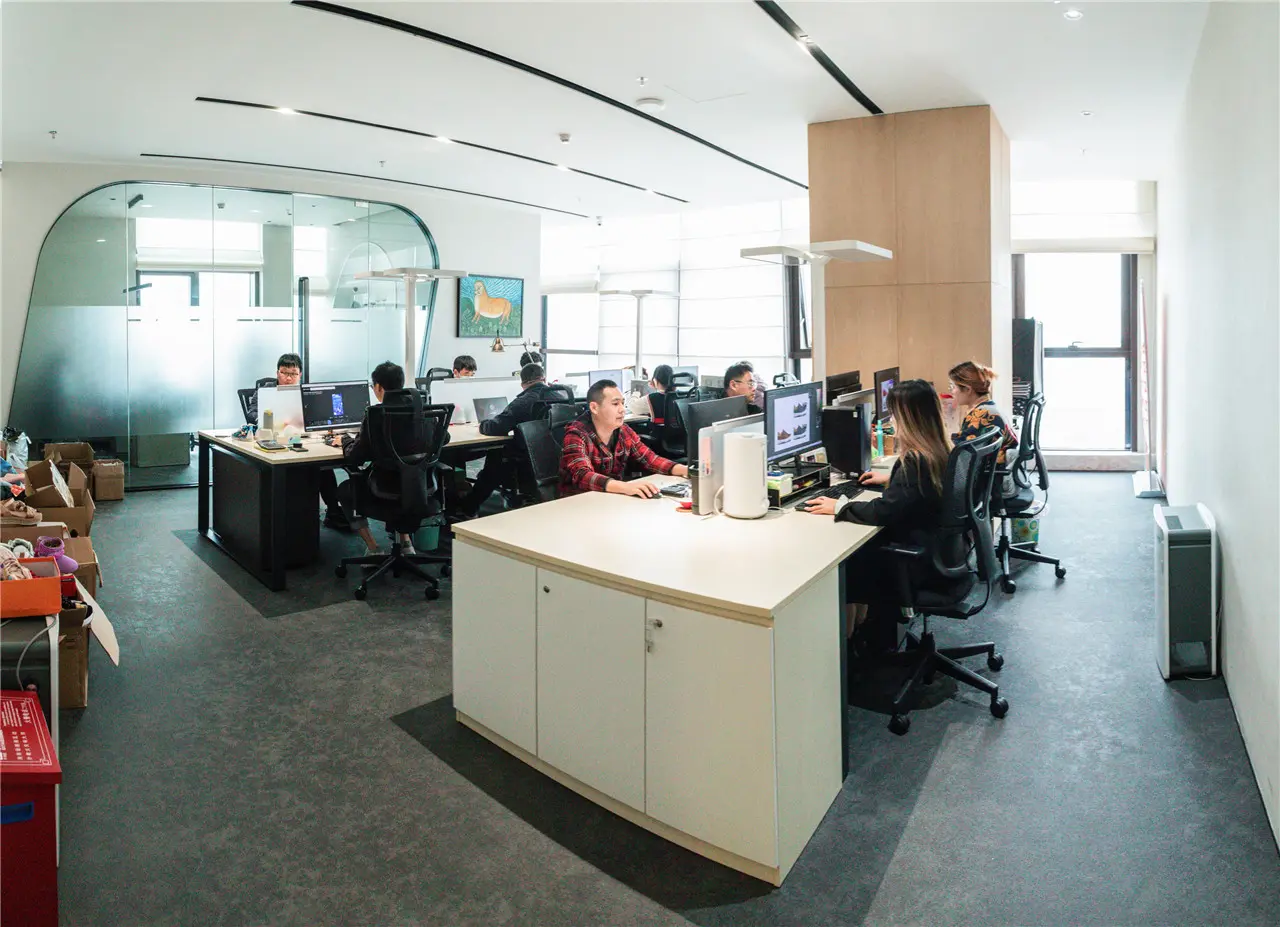

Behind every reliable OEM women's boots and shoes program is a team that can translate design intent into technical specifications, then protect that intent through sampling, production, and inspection. The following history and culture summary preserves the original Search4Fun company narrative.
Since our founding in 1990, our company has grown from a small enterprise to a globally recognized shoe manufacturing and trade company. In 2021, we launched our online business under the name Search4Fun. We aim to offer the best and newest products to our clients, allowing B-end customers to experience the joy of customization and product selection. We are committed to technological innovation and high-quality service, with complete quality inspection certifications.
Our design team is composed of experienced designers who constantly learn to combine international fashion with comfort, ensuring that our products are always at the forefront of trends and respond quickly to market changes. The R&D team focuses on technical innovation and process improvement to enhance product quality and performance, meeting high client standards.
Notably, our pattern makers are seasoned veterans from renowned brands such as Converse, Skechers, and Nike. With years of industry experience, they ensure each shoe's shape is precise and the craftsmanship is innovative. Their professional background and technical expertise give our footwear a unique competitive edge in the market.
For women's boots and shoes, shape control is central to perceived quality. A slight change in toe spring, heel curve, shaft opening, vamp depth, or last width can alter comfort and visual balance. Experienced pattern support helps buyers resolve those details earlier, before tooling and bulk materials are committed.
Our frontline production employees work under strict quality control, striving for perfection to ensure every pair of shoes meets the highest manufacturing standards. Our quality inspection team meticulously checks each product to ensure it meets international quality standards.
This is especially important for multi-material women's footwear. PU, suede, mesh, lining, trims, metal hardware, and outsole compounds can behave differently during lasting, cementing, trimming, and finishing. A quality process must check not only appearance but also adhesion, symmetry, color consistency,尺寸 stability, and packaging readiness.
Our marketing and sales teams have a deep understanding of global market dynamics, listening to customer needs, and providing personalized solutions, earning widespread trust.
Additionally, our customer service team is always customer-centric, providing quick responses and professional support to ensure every customer's satisfaction. Their meticulous service is crucial for establishing long-term relationships with our clients.
China's footwear advantage is no longer just a cost story. For women's boots and shoes, the stronger advantage is iteration density: materials, components, lasts, tooling, sampling, testing, packaging, and export logistics are concentrated within a responsive supplier ecosystem. Buyers should still validate factory-specific evidence, but the Shenzhen and Pearl River Delta environment can shorten the distance between a design idea and a production-ready specification.
Women's boots and shoes often combine PU, leather, suede, mesh, knit, lining fabrics, foams, thermal materials, zippers, elastic goring, eyelets, buckles, chains, bows, and decorative hardware. A mature local supply chain allows faster material comparison and counter-sourcing when a buyer needs a specific hand-feel, color, cost, or performance target.
Pattern makers, last libraries, CAD support, and sample rooms can compress the review loop. For women's shoes, sampling should test fit, heel pitch, toe spring, arch support, forefoot flexibility, and upper pattern balance. For boots, shaft height, calf fit, ankle opening, zipper placement, and lining comfort also need review before bulk approval.
Buyers can test a new silhouette, color story, or material direction through a pilot order, then scale successful styles. This does not mean every MOQ is low; MOQ depends on upper material, outsole tooling, lining, decoration, and packaging. The practical advantage is the ability to structure a phased program when the factory and buyer plan it together.
International buyers expect more than final visual inspection. They may request in-line checks, measurement reports, adhesion tests, colorfastness review, hardware pull tests, packaging audits, and restricted-substance documentation. A China-based supplier with export experience can coordinate these steps with materials and production schedules.
Value engineering can involve material substitution, lining simplification, outsole platform sharing, trim rationalization, packaging redesign, and size-curve optimization. The goal is to protect the selling proposition while removing avoidable cost. Buyers should compare total landed cost, risk, and sell-through—not unit price alone.
Shenzhen's geographic advantages support access to ports, logistics services, international communication, and a dense manufacturing network. For global B2B buyers, that can improve sampling coordination, document preparation, shipment planning, and responsiveness when market trends shift during a selling season.
For 2025 and beyond, procurement teams are balancing fashion speed with comfort, compliance, and inventory discipline. The winning supplier relationship is increasingly data-informed and specification-driven. Each trend below has a direct implication for OEM women's boots and shoes development.
Consumers expect cushioning, pressure distribution, lightweight components, and all-day wearability—even in dress styles. Buyers should specify footbed density, heel stability, forefoot flexibility, lining softness, and outsole grip during sampling rather than treating comfort as a last-minute add-on.
Office loafers with sneaker soles, ballet flats with support, fashion sneakers with suede uppers, and ankle boots with athletic outsoles are all part of the same consumer demand: versatility. A factory that understands cross-category construction can help brands create styles that work across commute, travel, and casual occasions.
Recycled content, water-based adhesives, lower-solvent finishes, and traceable materials are increasingly discussed. Claims must be supported by documentation. Buyers should distinguish between a material supplier's general statement and a verifiable claim for the exact production lot, then align packaging and marketing language with the evidence available.
DTC brands, marketplace sellers, and independent retailers often prefer to test small batches before scaling. This requires clear communication on MOQ by material, sample fees, tooling ownership, color approval, replenishment windows, and repeat-order consistency. Flexible planning is most effective when agreed before the first bulk order.
Foot shape, width, arch preference, calf circumference, and size grading differ by market. Women's boots and shoes programs should define target lasts, measurement tolerances, and fitting feedback by region. Size inclusivity also requires pattern and material planning, not simply adding more sizes to a purchase order.
Retailers increasingly scrutinize packaging protection, care labeling, spare-part availability, and return-risk reduction. For boots, zipper durability, hardware finish, lining abrasion, and outsole bonding deserve special attention. Good after-sales documentation can protect both the brand and the supplier.
Localization is not only translation of language; it is adaptation of fit, materials, styling, and packaging to a specific use case. A shoe that works for a mild, humid city may fail in a cold, wet climate or a long-commute environment. These scenarios help buyers translate market needs into technical briefs.
Low block heels, loafers, comfortable pumps, and clean ballet flats must support all-day wear, easy care, and office-appropriate finish. Buyers should specify slip resistance, heel stability, footbed cushioning, and upper colorfastness for daily public-transport use.
Lightweight sneakers, packable flats, and soft ankle boots benefit from low weight, flexible outsoles, easy on/off features, and neutral styling. Packaging and care labeling should support travel retail and e-commerce drop testing.
Hiking-inspired low tops, protective toe caps, cushioned midsoles, and higher-traction outsoles can serve campus and light outdoor markets. For women's versions, last shape, toe box volume, and color direction may need adjustment rather than simple size conversion.
Girls' ballerinas with buckle straps, easy fastening, flexible outsoles, and durable lining can support school and family ranges. Buyers should confirm age-appropriate fit, small-part safety, and packaging labeling for children's products in their destination market.
A coherent collection needs consistent color stories, size curves, packaging, and photography-ready samples. Suppliers can support private label through logo application, label placement, box design, hangtag coordination, and pre-production approval—all within the agreed compliance framework.
Humid and rainy cities may require water-resistant upper treatments, quick-dry linings, and grippy outsoles. Cold-weather programs may need thermal lining, boot shaft fit, and traction compounds. Warm markets favor breathable mesh, sandals, and lightweight constructions. Functional claims should be supported by appropriate testing.
A capable OEM women's boots and shoes supplier should make the development path visible. The work is not a mysterious black box; it is a sequence of decisions, approvals, and quality gates. The following operating framework helps global buyers plan a program from initial brief to repeat production.
Define target market, selling season, occasion, price architecture, size range, and competitor benchmarks. Decide whether the program is women's boots, shoes, sneakers, sandals, or a coordinated family across categories.
Translate the design into upper materials, lining, last, construction, outsole, heel, decoration, packaging, testing needs, and target FOB. Clarify what is flexible and what cannot be changed without a new approval cycle.
Review shape, fit, proportion, and comfort. For women's boots, check shaft opening, calf fit, ankle support, zipper function, and lining walk. For shoes, review heel pitch, toe spring, vamp depth, and forefoot flex.
Confirm lab dips, hand-feel, thickness, backing, colorfastness, hardware finish, zipper performance, and outsole compound. Approve material cards and keep signed standards for bulk reference.
Run small-batch production to test assembly, measurement consistency, finishing, packing, and communication. Set in-line and final inspection checkpoints. Capture approved measurements and appearance standards before full production.
Lock repeat-order specifications, packaging artwork, carton marks, and inspection plans. Coordinate transport, documents, and delivery windows. Review sell-through and returns after launch to improve the next size curve or material choice.
Large buyers and marketplace sellers may apply different rules, but the direction is similar: more documentation, more traceability, and more accountability. A supplier's ability to answer these requirements in a structured way is part of the product itself.
Buyers may request material declarations, test reports, and declarations aligned with destination-market requirements. For women's boots and shoes, adhesives, PU, leather finishes, textiles, and metal hardware are among the areas that need documentation.
Enterprise procurement often includes social compliance, worker safety, chemical handling, and environmental management review. Keep certificates current and make sure the audited site matches the production site.
Material source, batch traceability, and supplier-of-record details may be requested. Strong documentation reduces delay at the approval stage and supports product claims with evidence rather than assumptions.
Buyers need a stable last, approved measurements, and predictable grading. For women's boots, shaft measurements and calf fit should be included in the approval record. For shoes, heel height, forefoot width, and footbed dimensions are essential.
Original designs, packaging artwork, photography, and brand assets should be handled under clear confidentiality terms. Buyers should define who owns tooling, patterns, artwork, and approved material standards.
Confirm Incoterms, packaging drop-test requirements, carton marks, shipping documents, and escalation contacts. A resilient supplier relationship includes early communication when a material, holiday, or capacity issue may affect the delivery plan.
Use the following framework to compare OEM women's boots and shoes suppliers on evidence rather than presentation alone. It is designed for buyers who want a repeatable decision process and a safer path from sample room to bulk production.
Ask for business license, current certifications, test reports, audit summaries, export experience, and product references. Verify that the evidence applies to the actual production site and the materials you intend to use.
Discuss last development, size grading, material BOM, construction, tooling, QC gates, and packaging—not only catalog styles. A supplier who asks precise questions usually has a more reliable development process.
Evaluate fit, workmanship, color, symmetry, hardware function, and wear comfort. For boots, test zipper cycles, shaft fit, and ankle movement. For shoes, test heel stability, forefoot flex, and outsole bonding.
Confirm MOQ by material and color, tooling cost, sample fee, payment terms, lead time, Incoterms, packaging, and reorder conditions in writing. Unclear assumptions are more expensive than clear constraints.
These answers use the information available in this supplier profile and the reference product set. Final specifications, MOQ, lead time, compliance support, and OEM or ODM scope should be confirmed in a written quotation for each style.
Search4Fun presents a comprehensive footwear manufacturing and trading profile with design, R&D, production, customization, and global B-end service. The exact OEM or ODM scope depends on the buyer's design ownership, technical files, pattern support, tooling, and packaging requirements. Confirm the scope in the RFQ.
The company's manufacturing heritage, design resources, pattern-making experience, and footwear production background are relevant to women's boots and shoes. However, boots require specific confirmation of shaft height, calf fit, lining, zipper or elastic construction, hardware, outsole tooling, and testing. The product reference set shown here emphasizes shoes, flats, sneakers, sandals, and selected men's and kids' styles.
The 16 references include girls' ballerina shoes, ladies' loafers, women's flats, men's low-top hiking shoes, women's casual walking sneakers, ladies' pumps, fashion ballerina shoes, bow flats, white casual sneakers, rhinestone heels, mesh running shoes, women's TPR sandals, breathable running sneakers, multi-buckle ballerinas, business-office ladies' shoes, and men's sport shoes with air cushion.
Start with an evidence pack, then move to a technical conversation and sample protocol. Verify certifications and test reports, compare sample accuracy against approved specifications, review QC checkpoints, and confirm commercial terms in writing. A factory visit or third-party audit can be valuable for larger or long-term programs.
MOQ and lead time can change with upper material, lining, outsole tooling, color count, decoration, packaging, order size, and production season. Buyers should ask for a style-specific quotation and clarify what happens when one component has a higher minimum than the finished shoe.
Approve the last, size grading, measurements, and fitting comments before bulk production. Keep signed samples and measurement records. For women's boots, include shaft opening and calf measurements; for shoes, include heel height, forefoot width, footbed dimensions, and tolerance ranges.
Customization is central to the company profile and product selection service. Buyers should provide logo files, label placement, packaging artwork, carton marks, and compliance text for review. Confirm sampling, approval, and production timing for branded components.
Depending on the destination market and retailer, buyers may request restricted-substance test reports, material declarations, social compliance evidence, packaging documentation, care labels, and declarations for specific claims. Always confirm that documents apply to the exact materials, production site, and shipment.
The remaining eight references complete the original 16-style set. Use them to compare construction categories, material direction, outsole platforms, decoration, and target use cases. Each product URL and image is preserved for direct review.
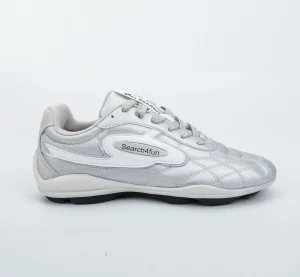
A daily-wear sneaker reference for comfort-led wholesale programs.
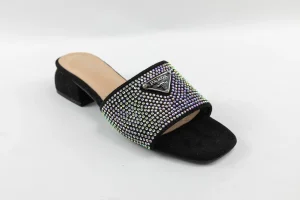
A decorated heel reference for occasion, party, and fashion-forward ranges.
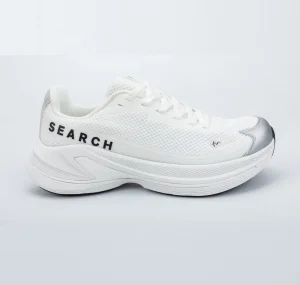
An athletic-inspired reference with protective toe detailing and cushioned sole architecture.
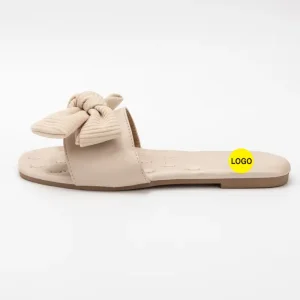
A seasonal women's sandal reference for warm-climate and value-focused assortments.
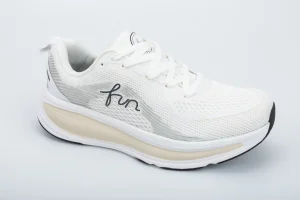
A breathable mesh sneaker reference for unisex active and casual collections.
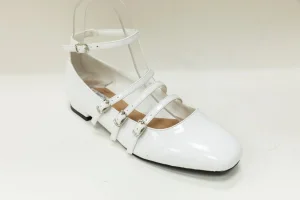
A buckle-strap girls' flat reference for adjustable fit and family collections.
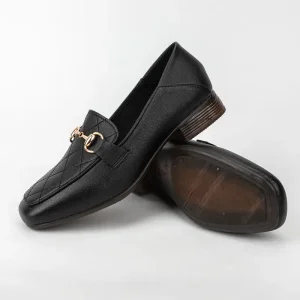
A business-casual women's shoe reference balancing elegance and all-day comfort.
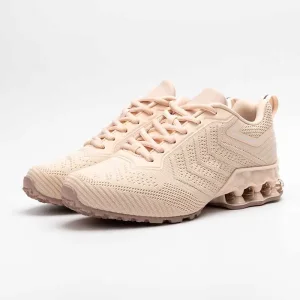
An adjacent men's sport reference useful for brands evaluating unisex or family lines.
For global buyers, the most useful next step is to shortlist two or three reference styles, define the target market and use case, then request a specification-led quotation covering materials, construction, sampling, compliance documentation, MOQ, lead time, and packaging. That process turns a broad search for OEM women's boots and shoes suppliers into a verifiable, production-ready supply decision.
 Search4Fun Shoes