For global buyers, Women’s Running Shoes are more than colorful athletic products. They are performance tools shaped by comfort, movement, climate, and daily habits. A runner in Singapore may need breathable mesh and drainage. Someone in Toronto may value insulation, grip, and durable rubber. These differences make product selection more complex than comparing prices or logos.
Biomechanics researcher Benno Nigg has stated, “The best shoe is the one that feels most comfortable.” This principle remains practical for buyers evaluating international markets. Comfort should be tested through fit, heel security, forefoot space, cushioning, and stability. A shoe that feels supportive in a store may feel different after ten kilometers. Small details matter. Seam pressure matters. Wet pavement matters. Sizing can also vary between brands and regions, creating avoidable returns.
Experienced buyers should examine laboratory data, user feedback, material quality, and supplier consistency. They should also ask whether marketing claims match real construction. A lightweight foam may improve responsiveness, but it may not suit every runner or surface. More cushioning is not automatically better. That assumption deserves reconsideration.
Women’s Running Shoes can offer strong global value when buyers focus on evidence instead of fashion alone. Reliable suppliers explain testing methods, manufacturing standards, care instructions, and fit guidance. They do not promise universal performance. There is no perfect model. Personal preference still complicates professional recommendations. That is not a weakness; it is a reason to compare carefully. With informed evaluation, global buyers can choose products that support comfort, confidence, and consistent running.
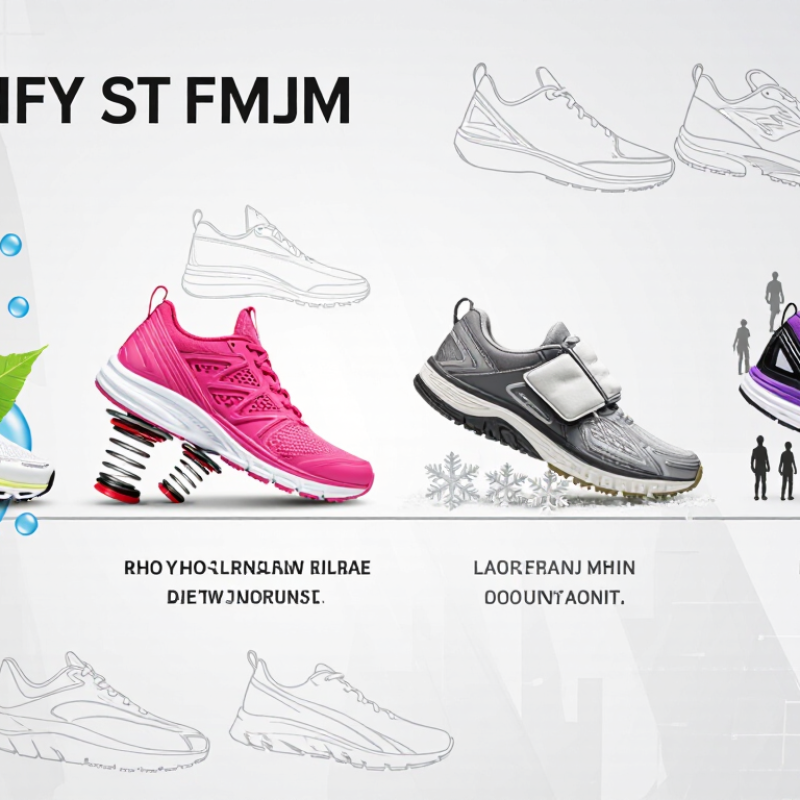
Women's running shoes are purpose-built footwear for repetitive forward motion on roads, tracks, or trails. They combine a shaped upper, impact-managing midsole, and traction-focused outsole. Their purpose is simple: secure the foot, manage loading, and support repeated movement. “Women’s” usually reflects population-level fit data, not a universal foot shape. Width, arch height, heel volume, and comfort still vary greatly.
The World Health Organization’s Global Status Report on Physical Activity 2022 estimates that 31% of adults worldwide are insufficiently active. More people need accessible movement options. The SFIA 2024 Topline Participation Report recorded over 50 million U.S. running and jogging participants in 2023. These figures help explain demand, but they do not prove one design suits every market. That distinction matters.
For global buyers, purpose should guide product selection. Road models generally need flexible cushioning and durable rubber for asphalt. Trail models need deeper lugs and protection near loose stones. A fitted women’s model should hold the heel without pressure and leave about a thumb’s width ahead of the longest toe. Walk for ten minutes before judging it. Small details matter. Moisture control, removable insoles, reflective panels, and sizing consistency can affect daily use. The category is not perfect. A women’s label can still mislead shoppers when individual fit is ignored.
| Data Dimension | Definition or Typical Specification | Purpose for Women Runners | Relevance for Global Buyers |
|---|---|---|---|
| Product Definition | Athletic footwear designed for running, with cushioning, traction, support and a flexible upper. | Helps absorb repetitive impact and supports efficient movement during road, track or treadmill running. | Provides a clearly defined product category for footwear sourcing, retail selection and online merchandising. |
| Women-Specific Fit | Often uses a women-oriented shape with a narrower heel, adjusted forefoot volume and a lower overall fit profile; sizing varies by market. | Improves heel security and reduces unwanted movement when the shoe is correctly sized. | Supports more accurate size assortments while recognizing that regional size-conversion charts are essential. |
| Cushioning | Foam or other midsole materials placed between the foot and the ground; cushioning levels range from firm and responsive to soft and protective. | Improves comfort and helps manage impact during repeated foot strikes. | Allows buyers to offer products for daily training, long-distance use, speed sessions and casual active wear. |
| Heel-to-Toe Drop | The height difference between the heel and forefoot of the midsole; common running-shoe designs generally range from approximately 0 to 12 mm. | Changes how load is distributed across the foot and lower leg; comfort depends on individual preference and running habits. | Gives buyers a measurable product attribute for technical specifications and customer education. |
| Stability Design | May include a broader base, structured heel counter, sidewall geometry or guidance features; not every runner needs motion-control elements. | Improves the feeling of balance and containment for runners who prefer additional guidance. | Enables product segmentation without making unsupported medical or injury-prevention claims. |
| Upper Materials | Common materials include engineered mesh, knitted textiles, synthetic overlays and padded tongue or collar components. | Balances breathability, flexibility, support and foot-hold comfort. | Material selection can be matched with local climates, seasonal demand and target price tiers. |
| Outsole Traction | Rubber or rubber-like compounds with tread patterns designed for contact with road, track, treadmill or light trail surfaces. | Improves grip and helps the runner maintain traction across intended surfaces. | Helps buyers distinguish road-running models from trail or multipurpose footwear. |
| Typical Weight | Many everyday women's running shoes weigh approximately 180–300 g per shoe, depending on size, cushioning and construction. | Lower weight can feel agile, while additional materials may increase cushioning, durability or support. | Provides a practical comparison point for product pages, purchasing specifications and shipping calculations. |
| Running Surface | Road shoes are optimized for paved surfaces; trail shoes generally use deeper tread and more protective construction. | Matches outsole grip, underfoot protection and flexibility with the runner’s environment. | Supports regional assortment planning for cities, parks, indoor gyms and uneven outdoor terrain. |
| Breathability and Climate | Open mesh and moisture-managing linings are commonly used for airflow and comfort; water-resistant features reduce ventilation. | Helps manage heat and moisture during exercise, particularly in warm or humid conditions. | Allows buyers to adapt materials and seasonal collections to different climate zones. |
| Use Case | Common categories include daily training, long-distance running, racing, walking and gym-based activities. | Helps users select cushioning, flexibility, weight and support according to activity demands. | Creates clear product groups for wholesale catalogs, e-commerce filters and retail displays. |
| Sizing and Width | Available sizes and widths differ by manufacturer and market; foot length should be measured and compared with a local size chart. | A suitable length and width help reduce pressure points and improve comfort during longer runs. | Reduces returns caused by inconsistent international size conversions and fit expectations. |
| Quality and Compliance Checks | Important checks include material consistency, outsole bonding, stitching, size accuracy, labeling and conformity with destination-market requirements. | Promotes reliable performance, comfort and product safety under normal intended use. | Helps buyers manage quality control, documentation, import requirements and customer expectations across markets. |
They support repeated forward movement on roads, tracks, and trails. Their upper secures the foot, while the midsole manages impact. The outsole provides traction. Simple purpose.
No. The label reflects common fit patterns, not every woman’s foot. Heel width, arch height, and toe shape still vary widely. Personal comfort matters more.
The heel should feel secure without pressure. Leave about a thumb’s width beyond the longest toe. Walk indoors for ten minutes. Check both feet, especially later in the day.
Feet may swell after hours of standing or walking. Measure both feet in the afternoon or evening. Use the larger measurement when checking a size chart. Small detail. Important one.
A secure heel counter can reduce slipping. A shaped midfoot may improve stability. The shoe should hold the heel gently, not create rubbing or numbness.
Softer foam may reduce harsh pavement impact. However, excessive softness can feel unstable during turns. Consider body weight, surface, and weekly distance. More cushioning is not automatically better.
Compare foot measurements with the seller’s chart. Review return rules and local sizing differences. Consider climate, socks, and running terrain. Breathable mesh suits humidity, but may feel cold in winter.
Usually, no. Road shoes often use flexible cushioning and durable rubber for asphalt. Trail shoes commonly need deeper lugs and protection from loose stones. One pair may not handle every surface well.
Heel rubbing, little-toe pressure, and numbness may appear after several kilometers. A short indoor fitting cannot predict every hot, long run. I once preferred very light shoes, but longer routes caused fatigue. That choice needed more reflection.
Start with measured fit, then test comfort and stability. Consider gait, terrain, climate, and socks. Read technical claims carefully. Appearance alone is weak evidence. Fit comes first.
Women’s Running Shoes are designed specifically to support the anatomical differences and movement patterns commonly associated with women’s feet. They typically focus on a comfortable fit, balanced cushioning, secure heel support, flexible forefoot movement, and breathable materials. These features can help improve comfort, stability, and confidence during daily training, recreational jogging, or longer-distance running. For global buyers, well-designed women’s running shoes may also provide versatile performance across different climates, surfaces, and activity levels.
Selecting the right pair requires careful attention to foot shape, sizing systems, arch support, cushioning preference, intended use, and overall durability. International purchasing decisions are also influenced by product availability, shipping options, return policies, material quality, price, local climate, and regional consumer preferences. By comparing these factors, global buyers can choose women’s running shoes that offer a practical balance of comfort, performance, fit, and value while meeting their personal needs.

 Search4Fun Shoes