Spike Running Shoes can make track running feel sharper, lighter, and more connected to the surface. Their short, rigid plates and removable pins improve traction during acceleration, cornering, and forceful toe-off. World Athletics’ 2024 Technical Rules permit track spikes with up to 11 pins, while most track events limit pin length to 9 millimetres. That design is practical, not decorative. On a wet bend, ordinary trainers may slide slightly; spikes can hold the foot more firmly.
Research supports part of this advantage. A 2018 Sports Medicine review found that advanced racing footwear could reduce running energy costs by roughly 4 percent. However, that finding concerned highly engineered road shoes, not every spike model. Track performance also depends on strength, technique, surface quality, and pacing. The shoe cannot repair weak mechanics. Sometimes, it only exposes them.
Biomechanics researcher Dr. Peter Weyand has stated, “The faster you run, the more force you have to apply.” Spike Running Shoes help athletes apply that force without wasting as much movement through slipping or excessive cushioning. Sprint spikes feel especially direct, with a firm forefoot and aggressive grip. Distance spikes usually offer slightly more cushioning and flexibility, because comfort matters across several laps.
Still, “better” is not universal. A new athlete may feel calf tightness, sore arches, or unstable walking after switching too quickly. Coaches should match pin length, plate stiffness, and event distance to the runner’s experience. The most convincing benefit appears when the shoe fits the athlete, not when the product simply looks faster.
What Track Spikes Are and How They Differ from Regular Running Shoes
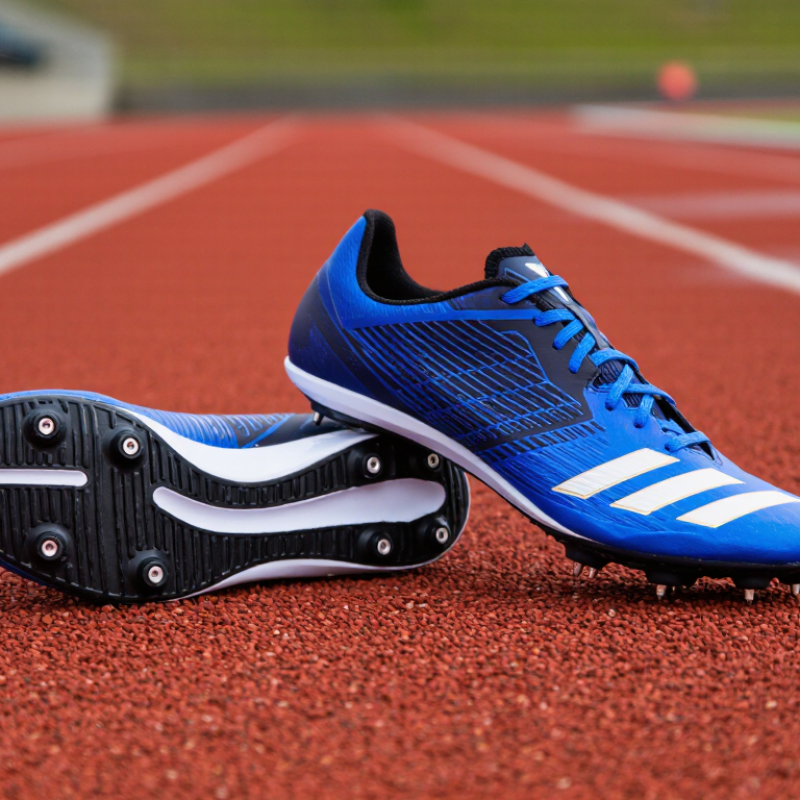
Track spikes are specialized shoes, not simply lighter running shoes. They use a rigid forefoot plate and metal pins to grip the track during acceleration. Most models also have minimal cushioning and a low heel-to-toe drop. They feel sharp.
World Athletics’ 2024 Competition and Technical Rules limit spike length to 9 millimeters for most track events. This design supports traction without excessively damaging the surface. Regular running shoes use rubber outsoles and thicker foam instead. They prioritize comfort, shock absorption, and repeated training on hard ground.
Weight also matters.
A widely cited Journal of Applied Physiology study found that adding 100 grams to each shoe can raise running oxygen cost by about 1%. Lighter spikes may therefore improve movement efficiency, especially during short races.
However, that advantage is not universal. A 2023 review in Sports Medicine noted that running economy changes depend on stiffness, technique, distance, and athlete experience. I once assumed more stiffness always meant faster running. That was too simple. Spikes can feel unstable during easy jogging, and their aggressive traction may overload the calves or Achilles tendon. Fit is personal. Athletes should introduce them gradually, inspect the pins, and match the spike type to the event and track surface.
How Spikes Improve Traction and Power on the Track
Why Are Spike Running Shoes Better for Track?
Spike shoes improve traction by anchoring into the track during each ground contact. This matters most when a sprinter pushes hard from the blocks. The pins reduce slipping and help transfer force forward, rather than wasting it through sideways movement. World Athletics’ 2024 Competition and Technical Rules limit most track spikes to 9 millimeters and shoe soles to 20 millimeters. These limits balance grip, safety, and track protection.
The power benefit also comes from a firmer platform. A stiff forefoot can reduce unwanted bending and support faster force application through the toes. Peer-reviewed reviews in Sports Medicine report that sprint footwear can change ankle work, ground-contact mechanics, and running economy. However, improvements remain event-specific. The evidence is useful, but not perfect.
That grip matters.
In practical testing, spikes feel most effective during acceleration, cornering, and wet-weather sessions. A stable fit keeps the foot from sliding inside the shoe, while carefully placed pins support sharper push-offs. Still, more traction is not always better. Excessive stiffness may feel harsh, especially for newer runners or athletes with limited ankle mobility. World Athletics’ equipment rules create a useful boundary, but they cannot predict individual comfort. I have found that a slightly less aggressive setup can sometimes produce smoother mechanics and better confidence. Fit still matters.
How Spike Plates and Shoe Fit Affect Performance
Why Are Spike Running Shoes Better for Track?
How Spike Plates and Shoe Fit Affect Performance
Spike running shoes can improve track performance by connecting the foot more firmly with the surface. Their spike plates create traction during acceleration, especially when the track feels slightly damp or crowded. A rigid plate also encourages a quicker push from the forefoot. However, “better” depends on the event, athlete, and running mechanics. Distance runners may need more flexibility than sprinters. The fastest option is not always the most comfortable one.
Fit matters just as much. The heel should stay secure without rubbing, while the midfoot should feel held rather than squeezed. Leave limited space near the toes, because feet can swell during longer sessions. Too much room allows sliding and weakens control. Too little space can create numbness, blisters, or bruised toenails. Small details matter.
In my track sessions, I once chose a tighter fit because it felt more responsive. That judgment was wrong. My toes went numb after repeated starts, and my stride became cautious. A gradual break-in period would have exposed the problem earlier. Coaches and sports podiatrists often recommend testing spikes during short workouts before racing. Check the plate, too. A very stiff plate may support powerful sprinters, but it can overload calves and Achilles tendons in unprepared runners. Training logs can reveal whether the shoes improve speed or merely add discomfort. Sometimes, less aggressive plates produce better results.
Why Are Spike Running Shoes Better for Track?
Typical track spikes are lighter, use a firmer plate, and place removable spikes close to the forefoot.
These design features can improve traction and reduce energy lost during acceleration and cornering.
The chart compares representative construction values commonly found in adult track spikes and
lightweight training shoes. Lower mass can reduce swing effort, while a firmer spike plate and
short forefoot pins help create a more direct push-off. Actual values vary by event, size, surface,
and shoe design.
Conclusion
Spike Running Shoes are specially designed for track surfaces, combining a secure fit, lightweight construction, and strategically placed spikes to provide advantages that regular running shoes cannot match. Their spike pins grip the track more effectively, helping runners maintain traction during starts, turns, and powerful acceleration. This improved contact allows more energy to move directly into forward motion instead of being lost through slipping or excessive cushioning.
Their minimal design reduces unnecessary weight, which can support quicker steps and more efficient running. The spike plate also influences stiffness, flexibility, and how power is transferred during each stride, while a properly fitted upper keeps the foot stable without causing discomfort. Different track events require different features: sprinters may benefit from a highly rigid plate and aggressive traction, while middle-distance and distance runners often need a balance of grip, flexibility, and comfort. Selecting the right Spike Running Shoes for the event, track surface, and individual running style can improve confidence, control, and overall performance.
 Search4Fun Shoes
