What Are Wide Toe Box Running Shoes?

Time:2026-09-18 Author:Oliver
0%

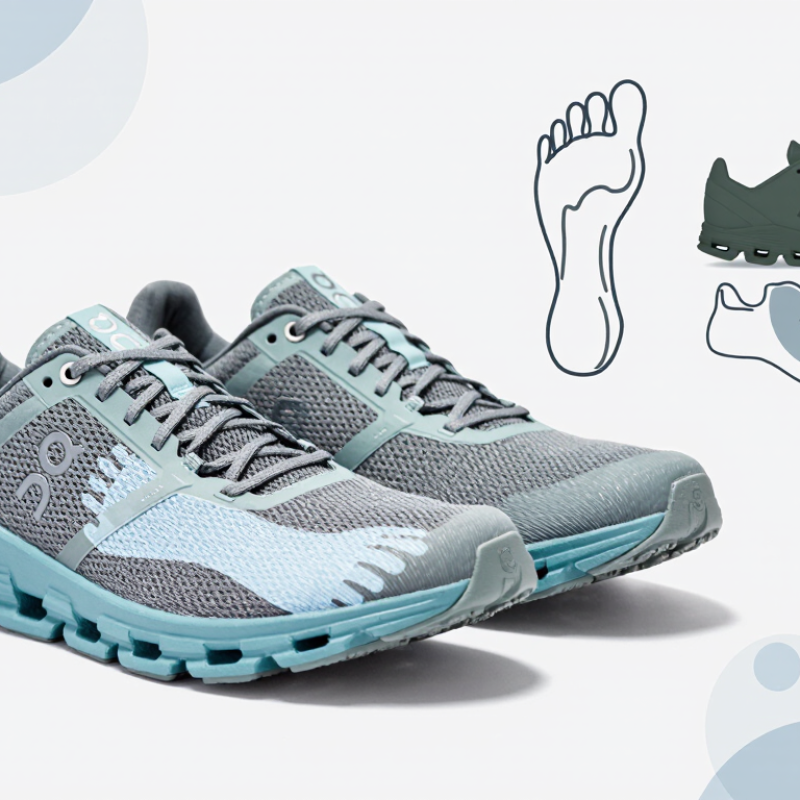
Wide Toe Box Running Shoes are designed with extra space around the forefoot and toes. Unlike conventional running shoes, they allow the toes to spread more naturally during walking and running. This room can reduce pressure on crowded toes, especially when feet swell after several miles.

A wider toe box does not mean the entire shoe is loose. The heel should remain secure, while the midfoot should feel supportive without squeezing. Your longest toe should sit comfortably away from the front. Fit comes first. A shoe may look spacious but still fail if its shape does not match your foot.

In practical testing, runners often notice easier toe movement while standing, climbing stairs, or jogging on pavement. However, comfort is personal. Wide Toe Box Running Shoes may help runners with bunions, broad forefeet, or sensitivity near the toes, but they are not a universal solution. Some runners may prefer a narrower design for racing or sharper cornering.

Research on footwear and foot health supports avoiding unnecessary compression, yet individual biomechanics remain important. A podiatrist or qualified running specialist can assess gait, foot shape, and injury history. Do not assume more room will automatically correct pain.

I have found that small details matter. Sock thickness, lacing tension, and foot swelling can change the fit noticeably. Even the best shoe can feel wrong after a long run. That is worth remembering. A careful comparison should consider comfort, stability, durability, and your actual running habits rather than marketing promises.
What Are Wide Toe Box Running Shoes?

Definition and Core Features of Wide Toe Box Running Shoes

Wide toe box running shoes have extra room across the front of the shoe. Their shape follows the natural spread of the toes. This differs from shoes that simply add width through the entire upper. A well-designed toe box lets the big toe remain relatively straight. The smaller toes can also rest without being pressed together. Fit matters more.

Core features include a broad forefoot, a secure midfoot, and a stable heel area. The upper should hold the foot without squeezing its sides. Flexible materials may allow natural toe movement during walking or running. However, excessive softness can reduce control on uneven paths. Cushioning also varies widely. Some runners prefer a firm, responsive sole, while others need more impact protection. A wide toe box does not automatically mean a flat or minimalist shoe.

In practice, check the fit near the end of the day. Feet often swell after several hours of activity. Leave a small space beyond the longest toe, but avoid excessive sliding. Your heel should stay seated when you walk uphill. I once assumed more room always meant better comfort. It did not; my foot moved too much inside the shoe. Lace tension, sock thickness, and foot shape changed the result. These details deserve attention. A shoe can feel comfortable for five minutes and still create pressure after several miles. Pain, numbness, or repeated rubbing signals that the fit needs reassessment, not forced adjustment.

How Wide Toe Boxes Differ from Standard Running Shoe Designs

What Are Wide Toe Box Running Shoes?

Wide toe box running shoes give the front of the foot more room than standard running shoes. Their shape lets the toes spread naturally during walking and running. The extra space is usually found across the forefoot, not throughout the entire shoe. A runner may still need a snug heel and secure midfoot.

Standard designs often taper toward the toes. This can press the big toe inward or squeeze the little toes together. A wide toe box reduces that pressure, especially during long runs when feet swell. You may notice your toes moving more freely at each landing. Small changes can feel significant.

Fit matters more than the label. Your longest toe should have roughly a thumb’s width of space. Your toes should not touch the upper when you stand or descend stairs. I once assumed a wider front always meant better comfort. That was too simple. Excess space can cause sliding, blisters, or weaker control on uneven paths. A careful fitting check helps. Try the shoes late in the day, when feet are slightly larger. Runners with persistent numbness or pain should seek advice from a qualified foot specialist. A wide toe box supports natural movement, but it cannot correct every foot problem.

What Are Wide Toe Box Running Shoes? - How Wide Toe Boxes Differ from Standard Running Shoe Designs

Design Dimension Standard Running Shoe Design Wide Toe Box Design Toe Box Shape Often tapers toward the front and may follow the shoe’s external outline more closely than the natural shape of the forefoot. Uses a broader, more rounded, or anatomically shaped front section that allows more room around the toes. The toes have more space to spread and are less likely to press against the upper during the running stride.
Forefoot Width Provides the amount of forefoot space specified by the shoe’s width category, which may feel narrow for runners with broad feet. Provides additional horizontal room specifically in the toe and forefoot area; the rest of the shoe may remain close-fitting. Can improve comfort for runners who feel pressure across the ball of the foot without requiring a completely oversized shoe.
Toe Splay The tapered front may limit how far the toes can naturally separate while standing or loading the foot. Allows the toes to remain more naturally separated, particularly during weight-bearing. May support a more stable contact area and reduce the feeling of cramped toes.
Big-Toe Alignment The big toe may be guided inward if the front of the shoe narrows sharply toward the center. Usually provides more lateral space so the big toe can point more naturally forward. May reduce side pressure around the big toe, although shoe fit cannot correct every foot condition.
Small-Toe Pressure The outer toes may contact the upper or the neighboring toes when the foot expands during running. Offers extra room along the outer edge of the forefoot and around the smaller toes. May help reduce rubbing, compression, and hot spots on the outside of the forefoot.
Length Allowance A correct length is still necessary, but extra length is sometimes used to compensate for insufficient width. Adds forefoot space through shape and width rather than relying only on a longer shoe. A better-fitting length may improve foot control and reduce sliding inside the shoe.
Upper Material and Construction The upper may use structured overlays or a snug fit to hold the foot securely. Often uses a more accommodating forefoot pattern, stretch zones, or fewer restrictive overlays. Can adapt more comfortably to natural forefoot expansion, but excessive stretch may reduce support.
Foot Expansion During Running The forefoot may feel increasingly tight as the foot widens slightly under repeated loading and over longer distances. Leaves more usable space for normal forefoot expansion during weight-bearing and prolonged activity. May help maintain comfort on long runs, especially when feet swell or the runner wears thicker socks.
Heel and Midfoot Fit Width may be distributed more evenly from the heel through the forefoot, depending on the shoe’s construction. May have a roomier front while retaining a relatively secure heel and midfoot. A well-designed model can provide toe freedom without creating excessive movement at the rear of the foot.
Overall Shoe Width A standard-width shoe is designed around a conventional width category, but actual dimensions vary by model and size. A wide toe box does not always mean the entire shoe is wide; some designs enlarge only the front section. Runners should assess toe-box shape separately from the shoe’s official width label.
Sizing Consideration Sizing up may create extra length but may not solve pressure caused by a narrow or tapered toe box. Correct length combined with sufficient forefoot room is generally preferred over choosing an unnecessarily long shoe. The toes should not touch the front, and the foot should remain secure without painful side compression.
Toe Clearance The front may feel restrictive if the foot slides forward or if the upper slopes sharply downward. Usually combines more horizontal room with enough vertical space for the toes to move without pressing against the upper. Can reduce contact pressure on the tops and tips of the toes during downhill sections or long runs.
Stability Sensation A snug forefoot can feel secure, but excessive compression may interfere with natural foot positioning. A broader contact area may allow the forefoot to engage the ground more naturally. Some runners experience improved balance, while others may prefer a more structured or snug feel.
Best Suited For Runners whose feet fit comfortably within the shoe’s length, width, and toe shape without pressure points. Runners with broad forefeet, naturally spreading toes, recurring toe rubbing, or discomfort in tapered shoes. The best choice depends on individual foot shape, running volume, socks, terrain, and personal comfort.
Potential Drawback May feel restrictive if the front narrows more than the runner’s natural forefoot shape. May feel less secure if the toe area is much wider than the foot or if the shoe lacks an effective lacing and heel hold. A wide toe box should provide functional space, not excessive empty volume that allows the foot to slide.
Fit Check The foot should feel secure, with no painful pressure on the sides, top, or tips of the toes. The toes should be able to spread and move, while the heel and midfoot remain comfortably held. Try shoes later in the day or after activity, when feet may be slightly larger, and test them with intended running socks.
Important note: “Wide toe box” is a descriptive fit feature rather than a universally standardized measurement. Shoe dimensions vary by size, model, construction, and foot shape. A suitable running shoe should provide adequate length, natural toe movement, comfortable forefoot width, and a secure heel without painful pressure.

Potential Benefits for Foot Comfort, Stability, and Natural Movement

What Are Wide Toe Box Running Shoes?

Potential Benefits for Foot Comfort, Stability, and Natural Movement

Wide toe box running shoes provide extra space around the forefoot. Your toes can spread instead of pressing against each other. This may reduce rubbing, pressure points, and the cramped feeling common after long runs.

A practical fitting check is simple. Stand in the shoes and wiggle every toe. Your longest toe should not touch the front. Leave roughly a thumb’s width for swelling during exercise. Fit matters more. A wider front does not automatically create stability. The outsole, heel counter, and midsole still influence how securely your foot moves.

Some runners report better balance when their toes contact the ground more naturally. A broader base may also help distribute pressure during walking, climbing, and slow running. Research on foot shape and footwear supports the importance of adequate toe room, but individual responses vary. Not always.

Switching too quickly can expose weaknesses in the feet or calves. Try short walks first, then brief easy runs. Watch for persistent pain, numbness, or unusual soreness. Those signs deserve professional assessment, especially with existing foot conditions. I once underestimated how much a small fit change could alter my stride. The lesson was imperfect but useful: comfort should guide the transition, not fashion or promises.

Key Foot Types and Runners That May Prefer a Wider Toe Box

What Are Wide Toe Box Running Shoes?

A wide toe box gives the forefoot more room from side to side. It also lets the toes spread instead of pressing together. The fit should feel secure, not loose. You should still have roughly a thumb’s width beyond your longest toe. Small detail, big difference.

Runners with naturally broad feet may prefer this shape. It can also suit people with bunions, overlapping toes, or swelling after long runs. Flexible feet that widen under load may need extra space, too. The American Podiatric Medical Association reported that 77% of Americans had experienced foot pain in its 2014 consumer survey. That figure is not a running-specific study, but it shows why fit deserves attention. Pain is information.

Long-distance runners may appreciate a wider toe box because feet often swell during extended efforts. Trail runners can also benefit when descending, since roomy forefeet may reduce toe pressure. However, a wide shoe cannot correct every foot problem. It may even feel unstable for narrow feet. Fit tests from footwear professionals recommend checking space while standing and wearing running socks. Try it late in the day, when feet are larger. I would not trust a single jog as proof. Run, walk, and notice hot spots. Comfort can improve, but it is not guaranteed.

How to Choose the Right Fit, Materials, and Running Shoe Structure

Wide toe box running shoes allow the toes to spread instead of pressing against one another. This space matters during long runs, when feet can swell and slide forward. A 2023 review in the Journal of Foot and Ankle Research links poor shoe fit with discomfort, blisters, and pressure-related foot problems. The right fit should feel secure at the heel, flexible at the forefoot, and roomy around the smallest toe. Your toes should move, not float.

Fit the shoe late in the day, after walking for several hours. Wear your usual running socks. Leave about one thumb’s width between your longest toe and the front. Measure both feet, because small differences are common. I once chose a shoe by length alone. It looked correct, but the narrow upper numbed my toes after eight kilometres. That mistake still influences my fitting advice.

Tips: Test the shoes on stairs and gentle turns. Check whether the heel lifts or the arch feels forced. Choose breathable mesh for hot weather, but avoid thin fabric if your foot needs more support. A firm heel counter can improve stability, while a flexible forefoot supports natural toe movement. World Athletics’ 2024 Technical Rules limit road-racing shoes to a 40-millimetre sole and one rigid plate. Training shoes do not need racing-level stiffness. More structure is not automatically better. My own preference has changed after testing different drops and cushioning levels. Comfort remains useful evidence, but it is not a perfect measurement.

FAQS

What are wide toe box running shoes?

They provide extra room across the forefoot. The shape follows your toes’ natural spread. Your big toe should remain relatively straight. The fit should feel secure, not loose.

Who may prefer a wider toe box?

Runners with broad feet may appreciate the added space. It can also suit bunions, overlapping toes, or swelling. Long-distance runners may need room as their feet expand. Pain is information.

Does a wide toe box mean the whole shoe is wide?

No. A good design can have a broad forefoot, secure midfoot, and stable heel. The sides should not squeeze your foot. Your heel should stay seated while walking uphill.

How much space should remain beyond the longest toe?

Leave about a thumb’s width beyond the longest toe. Avoid excessive space. Your foot should not slide forward during descents. Small detail, big difference.

When should I check the fit?

Try the shoes late in the day. Feet often swell after hours of activity. Wear your usual running socks. Standing matters.

Can a wide toe box prevent every foot problem?

No. It may reduce toe pressure, but it cannot correct every condition. A very wide shoe can feel unstable on narrow feet. Comfort is not guaranteed.

How should I test wide toe box running shoes?

Walk, jog, and check for hot spots. Test uphill and downhill movement. Notice rubbing, numbness, or pressure after several miles. One quick jog can mislead.

Does a softer shoe always provide better control?

Not necessarily. Flexible materials can support natural toe movement. Excessive softness may reduce control on uneven paths. Cushioning preference varies.

Why can a roomy shoe still feel uncomfortable?

Your foot may move too much inside it. Lace tension, sock thickness, and foot shape affect the result. I once assumed more room always meant more comfort. That assumption failed.

Conclusion

Wide Toe Box Running Shoes are designed with extra space in the front of the shoe, allowing the toes to spread and move more naturally while running. Unlike standard running shoes, which often taper toward the toe, this design provides a roomier fit that may reduce pressure on crowded toes and support greater comfort over short or long distances. The broader front can also help runners feel more balanced and stable, especially during changes in direction or on uneven surfaces.

These shoes may suit runners with naturally wide feet, broad forefeet, sensitive toes, or a preference for unrestricted movement. When choosing a pair, consider whether the toe box allows your toes to move without letting the heel slip. Look for breathable, flexible materials, supportive yet comfortable cushioning, and a sole structure that matches your running style and preferred terrain. Proper sizing and fit remain essential, since a wider design should provide freedom without creating excessive movement inside the shoe.


Oliver

Oliver

Oliver is a seasoned marketing professional with a wealth of expertise in driving brand awareness and engagement. With a deep understanding of our company's product offerings, he consistently delivers high-quality content that enriches our professional blog. His insights not only shed light on......