Running Sock Shoes describe footwear with a close-fitting, sock-like upper and a sole designed for movement. The name is not fully standardized. Some pairs are lightweight running shoes with knitted fabric, while others are minimalist, water-friendly, or casual slip-on styles. That difference matters. A flexible sole that feels comfortable on a smooth path may offer too little protection on rocky trails.
This guide looks at the main types and the conditions they suit. Knit running styles often provide a snug, breathable feel for roads and treadmills. Minimalist designs use thinner soles and usually need a gradual adjustment period. Trail versions add more grip and protection, while water-friendly pairs dry quickly but may not offer the support expected for long runs. Small details count: check the heel hold, toe-room, outsole traction, and how the shoe feels after several minutes of walking. No single type fits every runner.
The category can be confusing. Marketing terms sometimes blur practical differences, and a sock-like fit does not guarantee a secure or supportive shoe. Consider your usual surface, distance, weather, and comfort needs before choosing. If a pair causes persistent pain or rubbing, stop using it and reassess the fit. This overview offers a starting point, not a promise that one design will work for everyone.
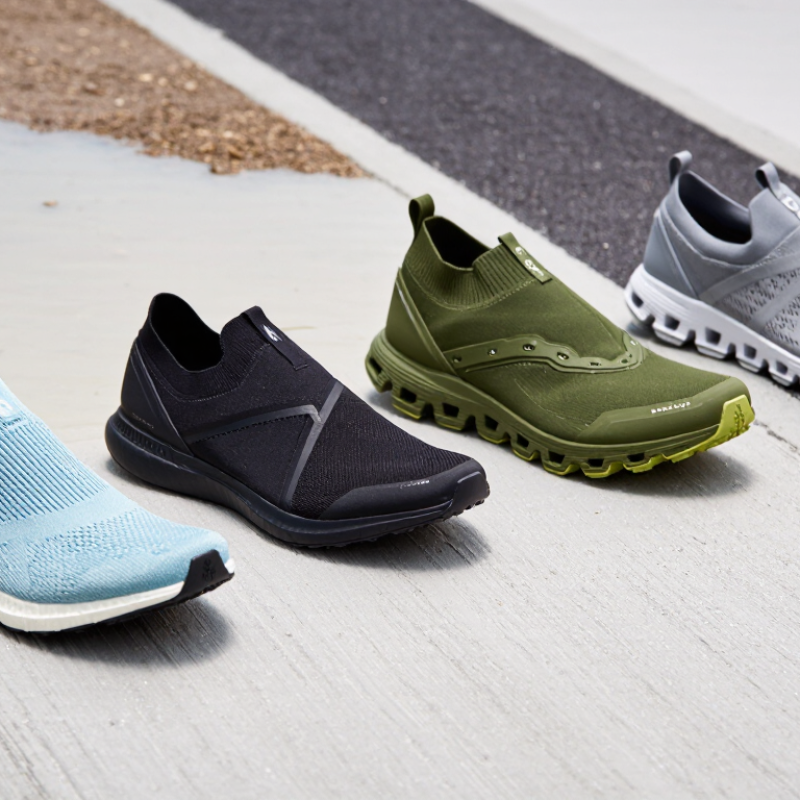
Defining Running Sock Shoes and Their Key Characteristics
Running sock shoes combine a close-fitting, often knitted upper with a flexible shoe sole. The upper may feel like a thick sock, but the outsole still provides grip and some protection from rough ground. Designs vary: some use thin, low-drop soles, while others add cushioning, structured heel support, or separated toe pockets. “Sock-like” describes the fit, not a guaranteed barefoot feel.
Fit and sole construction matter more than appearance. Check for secure heel hold, enough toe room, and traction suited to your route. A soft upper can reduce pressure points, yet it may offer less protection from sharp rocks or uneven paths. A 10-week study in Medicine & Science in Sports & Exercise followed 36 runners during a transition to minimalist footwear. MRI scans showed increased bone-marrow edema in 10 of 19 minimalist-shoe runners, compared with 2 of 17 controls (Ridge et al., 2013). This small study does not prove sock shoes cause injury, but it supports a gradual transition.
Tips: Try them on with your usual running socks, if you wear any. Walk, jog, and turn on a safe surface before choosing a pair. If your calves or feet feel unusually sore, reduce distance and reassess. It is easy to mistake “lightweight” for “right for every run.”
A feature-based comparison of common sock-like running shoe designs
The chart shows whether a feature is typically central to each design approach: 1 = characteristic, 0 = not defining. These are descriptive design categories, not a standardized industry taxonomy; individual shoes may differ.
Running sock shoes usually fall into a few construction types: knit-upper trainers, shoes with an integrated inner sleeve, and lightweight, flexible styles with minimal structure. Their uppers stretch around the foot like a close-fitting sock, reducing loose material that might wrinkle during a run. The feel can be snug. But snug should not mean numb or squeezed.
Knit uppers often have denser yarn around the midfoot and more open fabric near the toes. An inner sleeve can limit tongue movement and help the shoe feel secure when turning or changing pace. In practice, a runner may notice less shifting across the top of the foot, especially on short, easy runs. Fit still depends on foot shape. A narrow heel or broad forefoot can make the same shoe feel very different.
The flexible construction may let toes bend more naturally, though the sole—not just the upper—determines how much ground feel and cushioning you get. Check for pressure over the instep, heel lift, and toe contact while walking, then try a brief run if possible. Small details count. A sock-like upper can feel wonderfully simple, yet some stretchy fabrics offer less hold once they are wet. That trade-off is easy to overlook.
Running sock shoes have a close-fitting, knit-like upper that feels more like a snug sleeve than a traditional shoe. Road versions often pair flexible uppers with cushioned midsoles for pavement, treadmills, and steady daily runs. Fewer seams may reduce rubbing, but fit still matters. Too tight? Numb toes.
Trail styles add deeper outsole lugs and firmer toe protection for dirt paths and loose gravel. Their uppers may use denser mesh to help keep out debris. Not always waterproof. For wet routes, quick-drying designs can feel lighter after splashes, though they may offer less warmth in cold wind. Minimal sock-style models have thinner cushioning and suit runners who prefer more ground feel. They are not an ideal sudden switch for everyone; build mileage gradually and pay attention to discomfort.
Tips: Try them with your usual running socks, then walk and jog briefly before a longer run. Check toe room, heel hold, and outsole grip on your usual surface. A sock-like fit helps only when it stays comfortable.
Sock-like running shoes use knitted uppers, but their soles vary widely. Minimal models feel close to the ground and suit runners who prefer flexibility. Cushioned versions soften repeated impact on long pavement runs. Trail-focused designs add deeper lugs for loose soil, while stability models use firmer support zones to limit excessive side-to-side movement. More support is not automatically better; fit and comfort still matter.
Grip depends on the outsole, not the sock-like upper. On wet paving, shallow lugs may feel uncertain; on dry tracks, aggressive tread can feel clumsy. ASTM International’s F2913 test method measures footwear slip resistance under controlled conditions, but its results do not guarantee traction on every real-world surface.
Breathability also varies: open-knit fabric can release heat, yet may admit water and grit. Small trade-off. For competition context, World Athletics’ technical rules set a 40 mm maximum sole thickness for road-running shoes. That is a rule, not proof that thicker cushioning suits every runner.
Check heel hold, toe space, and support while moving—not just while standing in a shop. One detail is easy to miss: a snug upper can still rub after several miles.
Choosing sock-style running shoes starts with where you run most often. Road-focused models usually have smoother, lighter outsoles for pavement and packed paths. Their flexible uppers can feel close-fitting, but should not squeeze your toes. Fit comes first. Try them on later in the day, when feet may be slightly swollen, and check for heel slipping.
For rocky trails, look for deeper lugs and a firmer sole that helps shield your feet from sharp stones. A snug upper can keep grit out, though knit material may feel less protective against branches or mud. That matters. On wet routes, prioritize grip and quick drainage; a waterproof lining can stay damp inside once water gets in over the collar. Conditions vary.
Your running style matters, too. Runners who prefer soft landings may want more cushioning for long road miles, while lighter, flexible shoes can suit short, familiar runs. Minimal cushioning is not automatically better; give your legs time to adjust if you switch. Check the outsole after regular use. Worn tread and uneven compression can change how a shoe feels, and no single type works equally well on every route.
Their knitted uppers fit like snug sleeves. They often have fewer seams, but the fit still needs checking.
Road styles usually combine flexible uppers with cushioned midsoles. They can suit pavement, treadmills, and steady daily runs.
Trail versions often have deeper lugs and firmer toe protection. These details can help on dirt and loose gravel. Not on every surface.
Not always. Open-knit uppers can admit water and grit. Quick-drying designs may feel lighter after splashes, but can offer less warmth in cold wind.
Thin soles provide more ground feel. Cushioned soles may soften repeated impact on long pavement runs. More cushioning is not automatically better.
Firmer support zones may limit excessive side-to-side movement. Comfort and fit still matter, so I would not treat support as a guarantee.
Match the outsole to your usual surface. Shallow lugs may feel uncertain on wet paving, while aggressive tread can feel clumsy on dry tracks.
Wear your usual running socks, then walk and jog briefly. Check toe room, heel hold, and grip. A snug upper can still rub after several miles.
A sudden switch may not suit everyone. Build mileage gradually and notice discomfort. I might miss a warning sign, so take persistent soreness seriously.
Running Sock Shoes combine a close, sock-like upper with a shoe’s sole, creating a flexible fit that moves naturally with the foot. Their stretchy construction can reduce bulk and help the shoe feel secure, while the sole provides varying levels of cushioning, grip, and support. Different designs suit different needs, from lightweight options for faster runs to more cushioned styles for longer distances or firmer surfaces.
When choosing Running Sock Shoes, consider where and how you run. Breathable materials may feel more comfortable in warm conditions, while deeper tread can offer better traction on uneven trails. Runners who prefer a softer landing may want extra cushioning, whereas those seeking a more natural feel may favor a lighter, more flexible design. The best type balances fit, comfort, and stability with your running style and terrain.

Search4Fun Shoes