In the world of athletics, the right gear can make a significant difference. Sports running shoes play a crucial role in enhancing performance and comfort. A recent report from the American Orthopaedic Foot & Ankle Society indicates that approximately 60% of runners experience foot injuries. The right footwear can help mitigate these risks.
The market for sports running shoes is projected to reach over $13 billion by 2027. This growth highlights the increasing demand for high-quality running shoes tailored to various needs. Advanced technologies in shoe construction are essential. They offer improved support and cushioning, allowing runners to perform at their best. Yet, many still underestimate the importance of fit and function.
Choosing the perfect pair can be overwhelming. Factors like arch support, heel height, and weight are critical. Runners often overlook these details, leading to discomfort or injury. As you explore the top shoes in our list, remember that the best choice reflects personal needs and preferences. Investing time in selecting the right sports running shoes is not just smart; it's necessary for sustained performance.
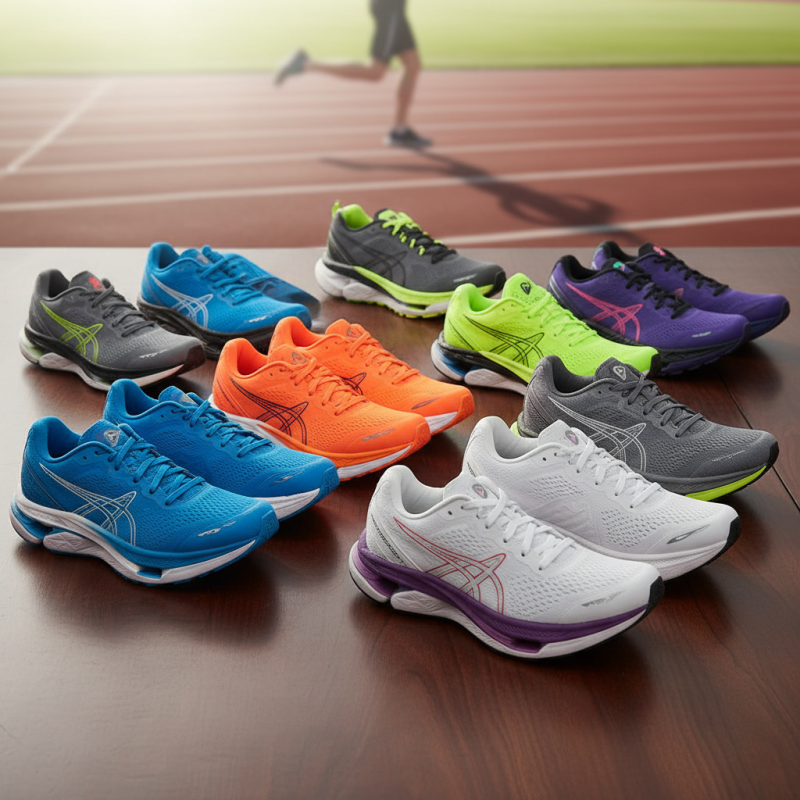
When it comes to running shoes, choosing the right brand is crucial for performance and comfort. Some brands prioritize innovative technology to create lightweight, breathable materials. Others focus on cushioning that adapts to different running styles. Runners often find that shoes with excellent arch support reduce fatigue on long runs. Finding the right fit can be challenging; sizes vary significantly between brands.
Many brands have established a reputation for their commitment to quality. They invest heavily in research to improve their products. However, not every model from a trusted brand meets expectations. Some runners report that certain shoes lack durability. This feedback is valuable for brands to make adjustments. Listening to customer experiences can lead to improved designs.
A reliable shoe brand often offers a range of options. These options make it easier to find a shoe tailored to individual needs. Testing several pairs can reveal hidden preferences. A shoe might feel great in-store but may not perform well on the road. It’s essential to be mindful of these discrepancies. Many athletes learn through trial and error to identify what truly works for them.
When selecting running shoes, several key features demand attention.
Fit is crucial. A snug but comfortable fit prevents blisters
and enhances stability. According to the American Orthopaedic Foot & Ankle Society, about 70% of runners wear
shoes that do not fit properly. This can lead to injuries and decreased performance.
Cushioning
is another vital element. Shoes should provide adequate cushioning based on your running style and surface.
Reports from the Journal of Sports Sciences indicate that runners with high-impact strikes
benefit from extra cushioning to absorb shock. However, excessive cushioning can lead to instability.
It's essential to find a balance that suits your foot type and running conditions.
Weight is also significant. Light shoes can improve speed
for many runners, but they often compromise cushioning and support. Runners often face the dilemma of choosing
performance over comfort. Ultimately, individual preferences and needs will shape the best choice.
Experimenting with different styles can help you understand what truly works for you.
When choosing running shoes, cushioning technology plays a vital role in performance and comfort. Effective cushioning absorbs shock during each stride. It reduces the impact on your joints, allowing for a smoother running experience. Technologies like foam formulations and air pockets are common. Yet, not every runner benefits from the same cushioning style.
Some runners prefer maximalist shoes with substantial cushioning. These offer a plush feel but can feel bulky. Others appreciate minimalist designs that provide a closer ground feel. However, they might lack adequate shock absorption. It's important to consider individual foot strike patterns and running surfaces when selecting cushioning.
Many runners overlook the potential downsides of excessive cushioning. Over-reliance can weaken foot muscles. Runners may develop an improper form, leading to injuries. Testing different models and paying attention to how your body responds is essential. Finding the ideal balance between comfort and support enhances performance. Ultimately, understanding how various cushioning technologies can affect your running experience is crucial.
When it comes to running shoes, fit and sizing are crucial. A shoe that feels right enhances performance. Poorly fitting shoes can lead to discomfort and injury. Many runners focus on aesthetics but overlook fit. A snug fit around the heel with enough room in the toe box is ideal. This balance helps prevent blisters and ensures proper positioning.
Sizing varies across manufacturers, which adds complexity. Runners should try on multiple sizes. Consider trying shoes at the end of the day. Feet swell during activity, making late-day fittings more accurate. Pay attention to the shape of your foot. A wider foot may require a different model than a narrower one.
The connection between fit and comfort cannot be overstated. An improper shoe can ruin a run, leading to frustration. Some runners may insist they can adjust, but experience suggests otherwise. Testing different models may lead to the perfect fit, enhancing both enjoyment and performance. Over time, reflect on how your shoes feel during runs. Small tweaks in fit can lead to significant improvements.
The landscape of running shoes is evolving, with a notable shift towards sustainable materials. Many brands are embracing eco-friendly options like recycled plastics and bio-based foams. This not only reduces environmental impact but also provides athletes with high-performance gear. The innovation in materials can lead to lighter shoes that still offer essential support and cushioning.
As the demand for sustainable options grows, challenges remain. Sourcing these materials can be costly, potentially driving up prices for consumers. Additionally, some runners may question the durability of eco-friendly shoes compared to traditional models. However, continuous research is addressing these concerns. For instance, advancements in material technology aim to enhance durability while maintaining eco-friendliness.
Embracing sustainability in running shoe design is not just a trend; it reflects a broader shift in consumer attitudes. Runners are increasingly looking for products that align with their values. Yet, the journey toward sustainability is ongoing. As the industry progresses, a balance must be struck between performance, comfort, and environmental responsibility. The future of running shoes promises not only to elevate performance but also to protect our planet.
| Shoe Model | Weight (oz) | Cushioning Level | Sustainability Rating | Price ($) |
|---|---|---|---|---|
| Model A | 10.5 | High | 4/5 | 150 |
| Model B | 9.3 | Medium | 5/5 | 130 |
| Model C | 11.2 | Low | 3/5 | 120 |
| Model D | 10.0 | Medium | 5/5 | 140 |
| Model E | 9.0 | High | 4/5 | 160 |
| Model F | 10.8 | Medium | 2/5 | 135 |
| Model G | 9.5 | High | 5/5 | 155 |
| Model H | 10.1 | Low | 3/5 | 125 |
| Model I | 10.7 | Medium | 4/5 | 145 |
| Model J | 9.6 | High | 5/5 | 150 |
: It absorbs shock during each stride, reducing joint impact for a smoother running experience.
Foam formulations and air pockets are common in many running shoes.
Maximalist shoes offer substantial cushioning but can feel bulky. Minimalist designs provide a closer ground feel but may lack shock absorption.
Over-reliance on cushioning can weaken foot muscles and lead to improper running form.
A snug fit around the heel and room in the toe box prevent blisters and ensure proper positioning.
Feet swell during activity, making late-day fittings more accurate.
Sourcing eco-friendly materials can be costly and raise prices for consumers.
Some runners question their durability, but ongoing research is improving material technology.
Runners increasingly seek products that reflect their values and align with sustainability goals.
It can lead to finding the perfect fit, enhancing both performance and enjoyment during runs.
When selecting the best sports running shoes for optimal performance and comfort, it's essential to consider key factors such as the brand's reputation for quality, the essential features each shoe offers, and the technological advancements in cushioning. The right pair of sports running shoes should provide effective support and meet individual preferences in terms of fit and sizing, which directly influence running efficiency and comfort during workouts.
Recent trends also highlight the growing importance of sustainability in the production of sports running shoes. Manufacturers are increasingly utilizing eco-friendly materials, reflecting a commitment to environmental responsibility while maintaining the necessary performance attributes. By understanding these aspects, runners can make informed choices that enhance their overall experience and support their athletic goals.

Search4Fun Shoes