Choosing the right pair can make a morning run feel smoother, steadier, and more comfortable. Yet the best Ladies Running Shoes are not always the newest or most expensive. Fit matters. So does the route beneath your feet. A soft pair may feel pleasant in a shop, then awkward after several miles.
Running biomechanics researcher Dr. Irene Davis is often quoted as saying, “Running is a series of controlled falls.” Her observation points to movement, not a magic shoe. A useful pair should suit your stride, training habits, and comfort needs. That can mean checking the heel hold, toe-room, cushioning, and grip rather than trusting a flashy label. Small details count, especially when a seam rubs or the forefoot feels cramped.
This guide explores what makes a running shoe worth considering, from road and trail designs to everyday training options. It also looks at fit, support, durability, and practical ways to compare pairs. There is no single winner for every runner. Annoying, perhaps. But honest. Feet differ, and preferences can change with distance, pace, or old injuries. The recommendations should help narrow the search, not replace a careful fitting or advice from a qualified professional when pain persists. Try shoes late in the day, walk around, and notice pressure points. The right choice should feel secure without demanding that you “break it in” through discomfort.
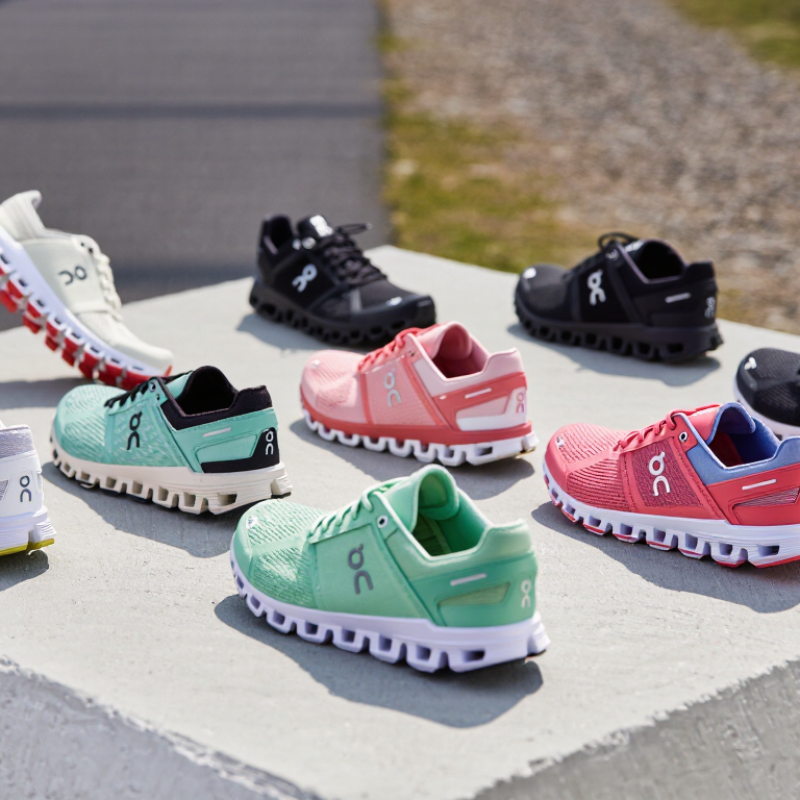
How Women’s Running Shoes Are Designed
How Women’s Running Shoes Are Designed
Women’s running shoes are not simply men’s shoes scaled down. Good design starts with the shape and volume of the intended foot, then balances fit, cushioning, stability, and weight. A shoe last guides that shape: the heel cup should hold the foot without rubbing, while the forefoot needs room for toes to spread during push-off. Thin, breathable mesh can reduce heat, but an overly soft upper may let the foot slide on turns. Small details matter. A loose heel feels obvious on a short jog.
Design teams also test foam compression, outsole grip, and how the shoe bends under load. World Athletics’ 2024 Competition and Technical Rules set a 40 mm maximum sole thickness for road-racing shoes in applicable events. That is a competition limit, not a comfort score. Fit still decides. A laboratory result cannot tell every runner how a shoe will feel after several miles, especially across different foot widths and running styles. I would be cautious about claims that one geometry suits all women; averages can hide meaningful individual differences. Trying shoes with the socks used for running, and checking for heel lift or toe pressure, remains a practical test. One weakness in shoe design is that women’s needs are sometimes treated as a single category rather than a range of bodies and preferences.
Key Features of High-Quality Running Shoes
A high-quality running shoe should feel secure without squeezing the toes. Fit comes first. Leave about a thumb’s width between the longest toe and the front of the shoe, and check that the heel does not lift with each step. Feet can swell during a run, so trying shoes later in the day may reveal pressure that a quick morning fitting misses.
Cushioning should suit your comfort and running surface, not simply feel as soft as possible. A very plush sole can feel unstable to some runners, while firmer cushioning may feel harsh on longer routes. Look for a flexible forefoot that bends naturally, plus a stable base that does not wobble when you stand. The upper should hold the midfoot gently and allow airflow; damp, hot feet can make an otherwise good fit uncomfortable.
Grip matters on wet pavement and packed trails. Check the outsole for durable rubber in areas that meet the ground, and choose tread suited to your usual routes. Small details matter. Laces should stay tied, seams should not rub, and the shoe should feel comfortable during a short jog—not merely while standing still. A fitting mistake is assuming discomfort will disappear after several runs; persistent rubbing or numbness is a reason to reassess the fit.
How Foot Shape and Running Style Affect Shoe Choice
The best women’s running shoe starts with your foot, not a trend. A wide forefoot may need extra room, while a narrow heel can slip during turns. Check fit late in the day, when feet may be slightly swollen. Leave roughly a thumb’s width beyond the longest toe, and make sure the upper does not press across the little toe. Small details matter. A shoe that feels secure while standing may rub after several miles.
Running style matters, but labels such as “overpronator” should not decide everything.
A 2014 prospective study in the British Journal of Sports Medicine followed 927 novice runners and found that foot posture alone did not support a simple injury-risk rule.
That is a useful caution: visible inward roll is not, by itself, proof that a runner needs a rigid shoe. Notice what happens over a real run—whether the heel lifts, the arch feels strained, or the forefoot goes numb. Try shoes at an easy pace, then repeat with your usual socks. Not a diagnosis. Persistent pain deserves assessment by a qualified clinician, since fit cannot explain every injury.
Main Types of Women’s Running Shoes and Their Uses
Women’s running shoes are easiest to choose by terrain and intended use, not by a universal “best” label. Road trainers have relatively smooth outsoles for pavement, while trail shoes use grippier lugs for loose dirt and wet roots. Neutral shoes feel less guided; stability models add features some runners prefer for a steadier stride. These labels are not diagnoses. A 2022 Cochrane review covering 12 trials and 11,240 runners found uncertain evidence that selecting shoes by foot posture prevents injuries. Fit and comfort deserve more weight than a label: check for toe room, a secure heel, and no rubbing during a short jog.
For long road miles, cushioned trainers can soften the feel of hard surfaces, though extra foam does not guarantee fewer injuries. For rocky trails, deeper lugs and a protective underfoot layer can help with grip and sharp stones. Lightweight racing shoes are designed for faster efforts, but may feel less comfortable during everyday training. For regulated road competitions, World Athletics’ shoe regulations set a 40 mm maximum sole thickness. That rule matters to competitive runners; most recreational runners can focus on fit and intended use. Fit comes first. Even careful advice can miss the mark, so test shoes on the surfaces and distances you actually run.
How to Compare and Select Leading Running Shoe Models
When comparing women’s running shoes, start with the routes and pace you actually use. A cushioned road shoe may feel smooth on pavement, while a trail model can grip loose dirt better. Fit comes first. Check that your heel feels secure and your toes have room to spread, especially after a short jog, when feet may swell. A softer midsole is not automatically more comfortable; some runners prefer a firmer, steadier feel.
Tips: Try shoes later in the day, wear your usual running socks, and compare both feet. Walk, jog, and turn in them if possible. Notice rubbing around the arch or heel. Mild stiffness may ease, but sharp pressure is a warning worth taking seriously.
Compare weight, cushioning, stability, outsole grip, and intended use rather than relying on popularity alone. Read specifications, then test two or three pairs on a familiar route if returns are allowed. Keep a simple log of comfort and soreness, including how each shoe handles wet pavement or hills. It is easy to overvalue cushioning and overlook a narrow toe box. Even careful comparisons can miss small fit issues. Choose the pair that feels dependable over several runs, not merely impressive during a quick try-on.
What Are the Top Ladies Running Shoes? — How to Compare and Select Leading Running Shoe Models
Compare common women’s running-shoe categories by intended use, typical construction, and approximate specifications.
| Shoe Category |
Best For |
Typical Heel-to-Toe Drop |
Approx. Weight
(Women’s US 8, per shoe) |
Ride and Cushioning |
Outsole and Surface |
What to Consider |
| Daily Trainer |
Regular road runs, easy miles, and general training |
8–12 mm |
230–290 g (8.1–10.2 oz) |
Balanced cushioning with a versatile, moderately flexible ride |
Rubber outsole designed primarily for pavement and firm paths |
A practical all-round option for runners who want one shoe for a range of everyday runs. |
| Max-Cushion Trainer |
Comfort-focused road running and longer steady runs |
4–10 mm |
250–330 g (8.8–11.6 oz) |
Plush, high-volume cushioning; the ride may feel less ground-connected |
Broad rubber coverage for paved surfaces |
Try it in person if possible: a tall, soft platform can feel different from a lower, firmer shoe. |
| Stability Trainer |
Road training for runners who prefer added guidance or a more supported feel |
6–12 mm |
240–310 g (8.5–10.9 oz) |
Moderate to substantial cushioning, often with geometry or structure intended to guide the foot |
Durable rubber outsole for pavement and other firm surfaces |
Stability features are not required by every runner; choose based on comfort and fit rather than foot type alone. |
| Lightweight Tempo Trainer |
Intervals, tempo sessions, and faster road workouts |
4–10 mm |
190–250 g (6.7–8.8 oz) |
Lightweight, responsive feel; cushioning and flexibility vary by design |
Road-focused rubber, sometimes with less coverage to reduce weight |
May feel firmer or less protective than a daily trainer during easy or very long runs. |
| Trail Running Shoe |
Unpaved trails, loose ground, and mixed outdoor terrain |
4–10 mm |
230–310 g (8.1–10.9 oz) |
Ranges from flexible and close-to-ground to well-cushioned for longer trail runs |
High-traction rubber with lugs; lug depth and spacing affect grip on different terrain |
Choose lug design and upper protection to match the terrain; aggressive lugs can feel awkward on pavement. |
Conclusion
Choosing the right Ladies Running Shoes starts with understanding how they are designed to support movement, comfort, and stability. A well-made pair typically combines a secure fit, breathable materials, cushioning suited to the runner, and a durable outsole that grips the intended surface. These features can help make runs feel more comfortable, but the best balance depends on individual needs rather than a single universal design.
Foot shape and running style also influence shoe choice. Runners may need different levels of width, arch support, flexibility, or cushioning, while road, trail, and everyday training shoes are built for distinct conditions. To compare leading models, consider fit, intended use, comfort during movement, construction, and how the shoe feels over time. Trying shoes on and evaluating them in a way that reflects your usual running can help narrow the options and find a suitable match.

 Search4Fun Shoes