China’s Unisex Running Shoes industry has become an important source for global brands, retailers, and private-label buyers. Manufacturers now offer lightweight mesh uppers, molded EVA midsoles, carbon-inspired plates, and recycled materials. However, attractive samples do not always prove dependable production. Factory capability matters more.
This guide examines ten notable Chinese manufacturers serving the Unisex Running Shoes market. The selection considers product consistency, factory experience, customization, material control, testing procedures, export service, and customer feedback. It also considers whether a supplier can maintain the same fit across different sizes and production batches. That detail is often overlooked.
Dr. Irene Davis, a respected running biomechanics expert, has said, “The best shoe is the one that is most comfortable.” Comfort remains personal. A soft heel may suit one runner, while another needs firmer support and stronger forefoot flexibility. Therefore, this list should not be treated as an unquestionable ranking. It is a practical starting point for comparison.
Buyers should request physical samples, laboratory reports, factory videos, and clear warranty terms. Check the outsole after repeated use. Inspect the glue line near the toe. Ask how factories manage color differences between batches. Small defects can become expensive problems.
Some manufacturers may excel at high-volume OEM orders, while others provide better development support for emerging brands. Pricing also changes with materials, molds, packaging, certifications, and order quantity. The “best” supplier depends on your market, runner profile, and quality expectations. Careful verification is still necessary.
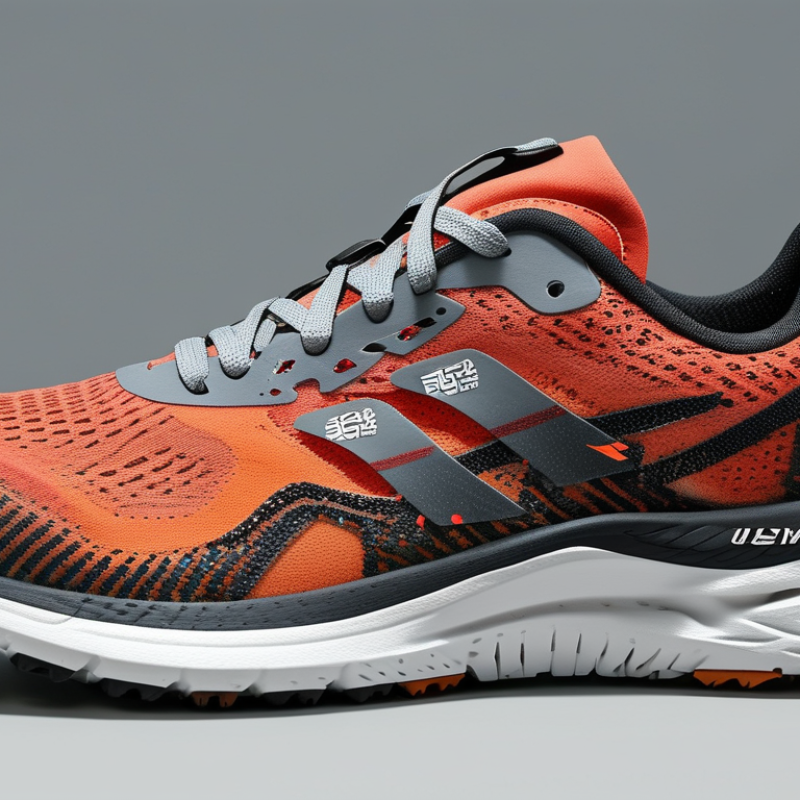
China Top 10 Unisex Running Shoes Manufacturers?
China’s running-shoe industry is gaining attention as demand shifts toward lighter, gender-neutral designs. Grand View Research forecasts a 5.8% compound annual growth rate for the global running-footwear market. This outlook supports continued sourcing from China, where factories combine material testing, flexible production, and export experience.
The strongest manufacturers usually manage several stages in-house. These include mesh cutting, foam molding, outsole bonding, and final inspection. A reliable factory should provide wear-test records, size measurements, material certificates, and batch-level quality data. Research and Markets also identifies cushioning innovation, online retail, and recreational running as important growth drivers. Small details matter. Heel stability can change after repeated use.
China’s manufacturing clusters offer different advantages. Fujian is widely associated with athletic footwear production, while Guangdong supports materials, components, and fast sampling. Buyers comparing the top ten suppliers should examine minimum order quantities, development timelines, testing equipment, and defect-handling procedures. Factory audits remain useful, but they are not perfect. A polished showroom proves little about long-term consistency. Trial orders and independent inspections can reveal stitching errors, uneven foam density, or outsole separation. Sustainability claims also need evidence, such as recycled-content documentation and wastewater records. The market is expanding, yet price pressure may encourage compromises. That deserves careful review.
| No. | Industry Dimension | Verified Data Point | Relevance to Unisex Running-Shoe Manufacturing |
|---|---|---|---|
| 1 | Market Growth Outlook | 5.8% forecast compound annual growth rate, as stated in the referenced Grand View Research market outlook. | Indicates continued demand potential for performance footwear and contract manufacturing capacity. |
| 2 | Product Positioning | Unisex construction uses shared performance specifications rather than separate men’s and women’s product lines. | Supports simplified product development, consolidated sourcing, and broader size-range planning. |
| 3 | Upper Construction | Engineered mesh, knitted textiles, and synthetic textile panels are established upper-material options in performance footwear. | These materials can support breathability, lightweight design, zonal reinforcement, and scalable production. |
| 4 | Midsole Technology | EVA and expanded thermoplastic materials are widely used cushioning platforms in athletic footwear. | Material selection affects cushioning, resilience, weight, tooling requirements, and unit cost. |
| 5 | Outsole Requirements | Rubber, blown rubber, and rubber-compound inserts are common outsole solutions for running footwear. | Outsole compound and tread design determine traction, abrasion resistance, and intended running surface. |
| 6 | Manufacturing Process | Typical athletic-footwear production combines cutting, stitching, lasting, bonding or molding, finishing, and inspection. | Process integration influences consistency, lead time, defect control, and order flexibility. |
| 7 | Quality Management | ISO 9001 is an internationally recognized quality-management-system standard used by organizations of different sizes and sectors. | A certified or well-documented quality system can improve traceability, corrective action, and production control. |
| 8 | Environmental Management | ISO 14001 provides a framework for environmental-management systems; certification is voluntary unless required by a contract or regulation. | Relevant to energy use, chemical management, waste reduction, and buyer sustainability requirements. |
| 9 | Export Compliance | Products sold in the European Union may need to meet applicable REACH restrictions, including requirements concerning certain chemical substances. | Material declarations and restricted-substance testing are important for international private-label orders. |
| 10 | Buyer Evaluation Criteria | A practical supplier assessment should cover sampling, material testing, production capacity, inspection procedures, social compliance, and shipment documentation. | These criteria help compare manufacturing capability without relying on company names or brand-level performance data. |
Note: This table presents industry-level manufacturing and market indicators only and intentionally excludes company and brand names.
: Demand is growing for lighter, gender-neutral running shoes. The global market is forecast to grow at a 5.8% compound annual rate. Market growth does not guarantee every factory’s quality.
Look for in-house mesh cutting, foam molding, outsole bonding, and final inspection. Ask for wear-test records and size measurements. Batch-level quality data matters.
Compare engineered mesh, knitted uppers, EVA midsoles, TPU plates, and rubber outsoles. Request abrasion, rebound, and colorfastness results. Thin mesh may tear during warehouse handling.
Request separate MOQs for samples, trial orders, and full production. Quantities may change by color, size range, or outsole mold. A low MOQ can raise unit costs.
Sample development may require 7–15 days. Bulk production commonly takes 30–60 days after approval. Confirm testing, packaging, and shipping timelines in writing.
Inspect pre-production samples and arrange independent inspections. Check stitching, foam density, outsole bonding, and heel stability. Showrooms can look impressive. They prove little alone.
Request material certificates, laboratory reports, and recycled-content documentation. Wastewater records may support environmental claims. Vague sustainability language deserves careful questioning.
No. Export history may show packaging and documentation experience. It does not prove long-term consistency. Trial orders can expose recurring defects. Some comparisons remain imperfect.
China’s running-shoe industry is expanding steadily, with a projected 5.8% CAGR highlighting growing opportunities for international buyers and private-label partners. This article introduces the top 10 Chinese manufacturers of Unisex Running Shoes, selected according to production capacity, OEM experience, ISO 9001 quality systems, SGS testing data, and product specialization. Their capabilities may include road running, trail running, training, lightweight performance, and everyday athletic footwear, serving different customer and market requirements.
The guide also explains key performance considerations, including the World Athletics 40 mm sole-thickness requirement for applicable competition footwear. Buyers will learn how to compare upper and sole materials, minimum order quantities, lead times, certifications, customization services, and export-market experience. By evaluating these factors together, importers, distributors, and private-label businesses can identify suitable manufacturing partners and make more informed decisions about quality, compliance, pricing, and long-term supply reliability.

 Search4Fun Shoes