China Top 10 Running Shoe Spikes Manufacturers?

Time:2026-11-03 Author:Oliver
0%

China has become an important sourcing base for track and field footwear, but choosing a supplier still takes careful comparison. This guide introduces ten manufacturers connected with running shoe spikes and outlines practical points buyers can check before requesting samples. Running Shoes Spikes must balance traction, fit, durability, and the needs of a specific event. A polished catalogue alone is not enough. Details matter.

Product ranges can differ in spike-plate design, upper materials, sizing, and customization options. Ask manufacturers for clear product specifications, sample availability, production capabilities, and quality-control details. If possible, inspect a sample and test its fit and grip under suitable conditions. Check how the supplier handles sizing feedback and whether product information matches the item delivered. These steps offer more useful evidence than broad promises about performance.

The manufacturers featured in a supplier overview should be treated as candidates, not as a universal ranking. Business needs vary by order volume, target market, budget, and product requirements. Some companies may specialize in custom development, while others may focus on established designs or larger production runs. Verify current company details directly, since capabilities and product lines can change. A listing cannot replace due diligence. Even experienced buyers can overlook small differences, such as plate stiffness or heel fit; those details deserve a second look before a long-term order.
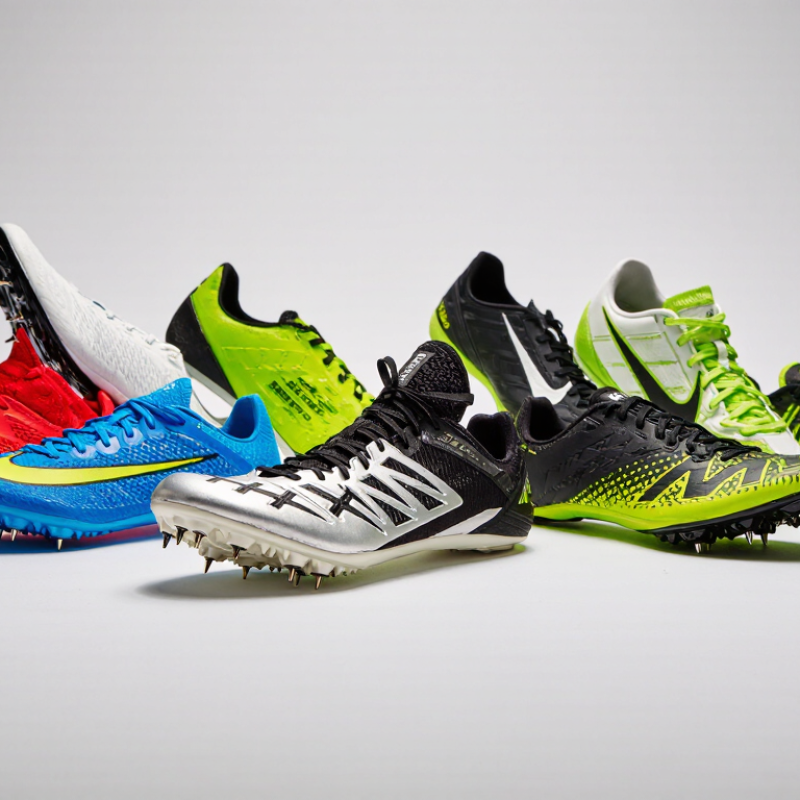
China Top 10 Running Shoe Spikes Manufacturers?

China’s Running Shoe Spike Manufacturing Industry at a Glance

China’s Running Shoe Spike Manufacturing Industry at a Glance

China’s running shoe spike industry sits within a vast footwear manufacturing base. The World Footwear Yearbook 2024 estimates global footwear production reached 22.4 billion pairs in 2023, with China accounting for 55.5%. These figures cover all footwear, not running spikes.

That distinction matters.

Spike production combines familiar shoe-making work with sport-specific details. Workers stitch lightweight uppers, mold outsoles, and fit plates with threaded spike sockets. A socket slightly off-center can affect balance on a track. Plate stiffness, adhesive bonding, and pin fit also need consistent checks. Factory capability can vary by material, tooling, and order size.

Buyers should request samples and inspect socket dimensions, plate flex, seam quality, and batch records before placing larger orders. Independent wear or traction testing can add useful evidence, though test results depend on track surfaces and conditions. Public data on China’s spike-specific output and factory numbers remain thin. So broad footwear statistics offer context, not proof that every supplier has specialist experience.

How to Evaluate and Rank Chinese Running Shoe Spike Manufacturers

Ranking Chinese running shoe spike manufacturers should begin with verifiable evidence, not polished catalog photos. Request samples from the same production run and inspect their weight, pin alignment, plate stiffness, and finish. A small difference in pin height can affect grip on a track. Ask how the factory checks dimensions and records defects. Details matter.

Evaluate material choices alongside performance claims. Ask for test methods, sample sizes, and results under repeated loading. A single successful test is not proof of consistent production. Review whether the supplier can trace materials and explain how it handles rejected parts. If possible, compare samples after use, not only straight out of the box.

Production reliability deserves equal attention. Check lead times, minimum order quantities, capacity planning, and response quality when specifications change. A factory visit can reveal practical details, such as clean work areas and orderly inspection records, but one visit cannot predict every future batch. This ranking method is imperfect: price and communication are easier to compare than long-term durability. Keep the scoring criteria visible, record unanswered questions, and update rankings when new evidence arrives.

Profiles of Ten Leading Running Shoe Spike Manufacturers in China

China’s running-shoe spike supply base includes varied manufacturers. These ten profiles describe useful supplier types, not a verified ranking.

A sprint-focused maker develops stiff plates and replaceable pins for acceleration. A distance-running producer prioritizes low weight and flexible forefoot geometry. A molded-plate factory works with nylon blends and repeatable tooling. A metal-component workshop supplies threaded pins in different lengths. A youth-focused manufacturer offers smaller fits and simpler fastening. A custom-development plant turns sketches into trial samples, though revisions can take time. Fit matters.

An OEM-focused factory coordinates uppers, plates, and assembly within one production plan. A small-batch producer supports early testing, but unit costs may rise. A materials-led manufacturer tests abrasion and bending in outsole compounds. An export-oriented supplier may keep inspection records and packaging controls. A specialist in track footwear can advise on plate stiffness and pin placement. Claims still need checking. Buyers can compare sample fit, pin retention, plate flexibility, and consistent dimensions. Ask for test records, too. A polished sample may not represent every production pair.

Key Spike Designs, Materials, and Manufacturing Capabilities

Running shoe spikes vary by event, track surface, and athlete preference. Common designs include removable threaded pins, fixed molded studs, and lightweight plates with shaped traction points. A distance spike may use shorter, narrower pins, while sprint models often prioritize firm grip near the forefoot. Small geometry changes matter. Pin length, spacing, and plate stiffness can alter how a shoe feels during acceleration.

Manufacturers in China may combine CNC-machined metal pins with injection-molded plates made from nylon composites or thermoplastic materials. Steel offers durability; aluminum can reduce weight but may wear differently. The right choice depends on use, not just a specification sheet. Ask suppliers how they check thread fit, pin pull-out strength, plate dimensions, and batch consistency. Useful evidence includes inspection records and repeat tests on production samples. A polished prototype can still hide uneven molding or loose pins. That is easy to miss. Factory capability also varies: some suppliers handle tooling and assembly in-house, while others rely on subcontractors. Clear material records and realistic test conditions help buyers compare options without treating a catalog claim as proof.

Running Shoe Spikes: World Athletics Length Limits

A standards-based design reference for spike length—not a comparison of manufacturers. World Athletics permits spikes up to 9 mm for track events, with a 12 mm maximum for high jump and javelin throw.

Maximum permitted spike length (mm). Always check the competition rules and venue requirements before selecting spikes.

How to Compare Suppliers for Quality, Customization, and Export Support

When comparing running shoe spike suppliers in China, look beyond catalog photos. Ask for a sample pair and inspect the plate, pin threads, stitching, and heel bond. Check that left and right shoes feel consistent. A simple scale can reveal noticeable weight differences between sizes. Request written test criteria, such as fit checks, material specifications, and outsole durability assessments. Claims alone are not enough.

Customization needs clear limits. Share a tech pack with measurements, materials, colors, logo placement, and packaging details. Ask which parts can change without affecting fit or performance. Confirm sample costs, revision rounds, minimum order quantities, and production lead times in writing. Small details matter. A vague size chart can create costly surprises, and one sample may not represent an entire production batch.

Export support should be tested before placing a large order. Ask who prepares invoices, packing lists, and shipping details, and how production updates are shared. Request a realistic shipment schedule and a plan for handling defects or delays. Compare responses for clarity, not just speed. One comparison can still miss problems; I would inspect a pre-shipment sample and keep approval records. Suppliers may communicate well during sampling, then become less precise when deadlines tighten. That possibility deserves attention.

China Top 10 Running Shoe Spikes Manufacturers? - How to Compare Suppliers for Quality, Customization, and Export Support

A practical comparison framework for evaluating running-spike suppliers. It does not rank or identify individual companies.

No. Comparison Dimension What to Compare Evidence to Request Practical Evaluation
1 Manufacturing Scope Confirm whether the supplier makes complete track shoes or only supplies components such as uppers, outsoles, or spike plates. Factory profile, production-flow description, and a live or recorded factory tour. Prefer a clearly documented production scope that matches the products in your order.
2 Spike Plate Construction Compare plate material, geometry, stiffness options, replaceable-spike configuration, and intended event use. Technical drawings or specifications, material details, and samples for each proposed plate option. Check that the plate design suits the intended distance, surface, and athlete requirements; do not rely on a product photo alone.
3 Upper Materials and Assembly Review upper materials, reinforcement, stitching or bonding methods, lining, and heel construction. Material specifications, construction samples, and details of any available material test reports. Compare consistency, finish, fit, and durability on physical samples from the proposed production materials.
4 Outsole and Grip Compare outsole material, traction layout, plate-to-outsole attachment, and suitability for the specified track surface. Outsole drawings, sample shoes, and the supplier’s test method or supporting test results, if available. Evaluate grip and attachment on the intended surface; request clarification on any performance claims.
5 Sizing and Fit Consistency Check the size range, size-conversion chart, available width options, and consistency between sample and bulk sizing. Measurement chart, size-set samples, and written tolerances for key dimensions. Measure a size set against your target fit specification and confirm how size grading is controlled.
6 Quality Control Understand incoming-material checks, in-process inspection, final inspection, defect classification, and corrective-action handling. Quality-control procedure, sample inspection report, and a written defect and rework process. Agree on inspection criteria and acceptance limits before production; verify them with a pre-shipment inspection.
7 Testing and Compliance Confirm which product tests, chemical requirements, and footwear or competition rules apply in the destination market. Relevant test reports, report dates, tested sample details, and the name of the testing laboratory where applicable. Check that reports match the actual materials and product version. Requirements depend on market and intended use.
8 Customization Capability Compare options for colors, materials, logos, packaging, spike configuration, and private-label development. Customization specification, artwork approval process, sample charges, and written confirmation of tooling or setup costs. Approve a production-representative sample and signed specifications before authorizing bulk production.
9 Sampling, MOQ, and Lead Time Request current sample timing, minimum order quantity, production lead time, and the effect of customization on each. Written quotation showing quantities, sample and production schedules, payment terms, and any charges or exclusions. Compare suppliers using the same product specification, quantity, delivery term, and requested shipment date.
10 Export and Shipment Support Confirm destination-market experience, shipping options, export packing, communication process, and responsibility for shipment arrangements. Sample commercial invoice and packing list, proposed shipping terms, carton details, and confirmation of documents available for the destination. Validate document and import requirements with your customs broker. Requirements vary by destination and shipment terms.

How to use this table: Send the same product brief and questions to each shortlisted supplier, then compare written evidence and production samples. Lead times, minimum order quantities, test coverage, and export services vary by supplier and order; request current, order-specific confirmation rather than relying on generic claims.

FAQS

How large is China’s footwear manufacturing base?

China accounted for 55.5% of global footwear production in 2023. The figure covers all footwear, not running spikes. That distinction matters.

What makes running spike shoes different from ordinary shoes?

They combine lightweight uppers with molded outsoles and plates containing threaded spike sockets. Small alignment errors can affect balance and grip.

Which details should buyers inspect in a sample?

Check socket dimensions, pin alignment, plate stiffness, seam quality, weight, and finish. Look closely. Small flaws can matter.

What evidence can help assess a factory’s quality checks?

Ask how it measures dimensions, records defects, and traces materials. Request batch records and clear explanations for rejected parts.

Are performance tests enough to prove consistent quality?

No. Ask about test methods, sample sizes, and repeated loading. One successful test cannot prove every batch will perform the same.

How can buyers assess durability and traction?

Compare samples after use, and consider independent wear or traction testing. Results may vary with track surfaces and conditions.

What production details should buyers compare?

Review lead times, minimum order quantities, capacity planning, and responses to specification changes. A quick reply is useful, but it is not proof of reliable production.

Can a factory visit predict future product quality?

It may reveal clean work areas and orderly inspection records. Still, one visit cannot guarantee future batches. That judgment is imperfect.

How should manufacturers be ranked fairly?

Use visible criteria, record unanswered questions, and update rankings as evidence changes. Price and communication are easier to compare than long-term durability.

Conclusion

This article offers an overview of China’s running shoe spike manufacturing industry, explaining how production capabilities, technical expertise, and export experience shape the market. It outlines practical ways to assess and rank suppliers, including their quality-control processes, manufacturing capacity, customization options, communication, and ability to support international orders. Rather than relying on a single factor, buyers can use these criteria to build a balanced view of a manufacturer’s strengths and suitability.

The article also presents profiles of ten leading manufacturers and explores common Running Shoes Spikes designs, materials, and production methods. It highlights considerations such as fit, durability, traction, and the needs of different running conditions, while encouraging buyers to compare specifications and request clear product information. By evaluating suppliers across quality, customization, and export support, readers can make more informed decisions when sourcing running shoe spikes.


Oliver

Oliver

Oliver is a seasoned marketing professional with a wealth of expertise in driving brand awareness and engagement. With a deep understanding of our company's product offerings, he consistently delivers high-quality content that enriches our professional blog. His insights not only shed light on......