Choosing the right ladies running shoes can significantly impact your performance and comfort. With many options available, it can be overwhelming to find the perfect pair. The right shoes can enhance your running experience, prevent injuries, and improve overall foot health.
When selecting ladies running shoes, consider factors such as fit, cushioning, and support. Your foot shape and running style are crucial in this process. Many women unknowingly choose shoes that don't provide adequate stability or cushioning. It’s essential to reflect on how your chosen shoes feel during a run. Are they too tight? Are they causing blisters?
Remember, comfort is subjective. What feels great for one person might not work for another. Seeking advice from experts and other runners can aid in making a more informed decision. Be cautious of marketing hype; don’t just rely on trends. Instead, focus on what truly fits your needs.
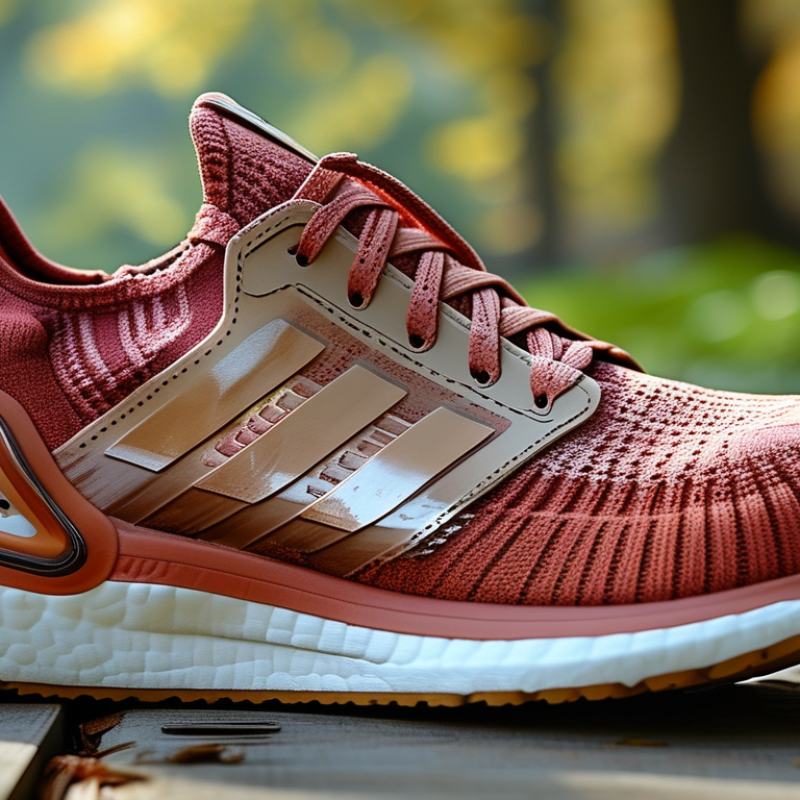
When choosing ladies running shoes, it's essential to understand the various types available. Each type serves a unique purpose, tailored to different running styles and environments.
Road running shoes feature lightweight materials, designed for smooth surfaces. They often have a good grip and cushioning to absorb impact. Meanwhile, trail running shoes boast robust outsoles for better traction on uneven terrain. Their extra support helps prevent injuries during off-road runs.
Stability shoes cater to those who overpronate, providing support to prevent excessive rolling of the foot. Conversely, neutral shoes accommodate runners with a neutral gait, emphasizing flexibility and comfort. Some may prefer cushioned shoes, which offer additional padding for those needing extra shock absorption. Identifying your foot type and running style can enhance comfort significantly. However, many find it challenging to address their specific needs. Trying on various styles is crucial to making an informed decision.
While popularity may lean toward certain styles, personal comfort is paramount. It’s not uncommon to overlook fit and choose based on trends. Reflecting on the past, many have regretted their choices due to discomfort. Prioritizing the right fit and purpose ensures a more enjoyable running experience. Investing time in understanding these factors can lead to better decisions that promote long-lasting comfort on every run.
: A proper fit prevents discomfort and injuries. Many runners face foot-related issues due to incorrect sizing.
Stand on paper and trace your foot's outline. This helps capture your unique shape accurately.
Width and arch height are crucial. A mismatch can cause blisters and chronic pain, impacting your runs.
Breathable fabrics enhance comfort and performance. Lightweight materials like mesh improve air circulation during runs.
Test shoes by running short distances. Pay attention to how they feel and adjust if necessary.
Feet often swell during activity. Choose shoes with extra room, especially later in the day.
Well-designed uppers prevent chafing, and flexible materials allow movement. Balance support with flexibility for better performance.
Prioritize comfort over style. An uncomfortable shoe can ruin your running experience, regardless of appearance.
Consider your specific needs and foot shape. Everyone's feet are different; what suits one may not suit another.
Many overlook details like width and arch height. Such neglect can lead to avoidable discomfort during runs.
When choosing ladies running shoes, it's essential to understand the different types designed for various purposes, such as road running, trail running, or racing. Each type provides unique features tailored to specific activities, making it important to select the right one for your running style. Key features to consider include cushioning, which must be appropriate for your individual needs, and proper fit, which involves accurately measuring your foot size and shape to ensure comfort and performance.
Another crucial factor is the material and breathability of the shoes. Selecting the right fabrics can significantly enhance your running experience by promoting airflow and moisture-wicking properties. By focusing on these aspects, you can find ladies running shoes that not only meet your comfort requirements but also support your running goals effectively.

 Search4Fun Shoes