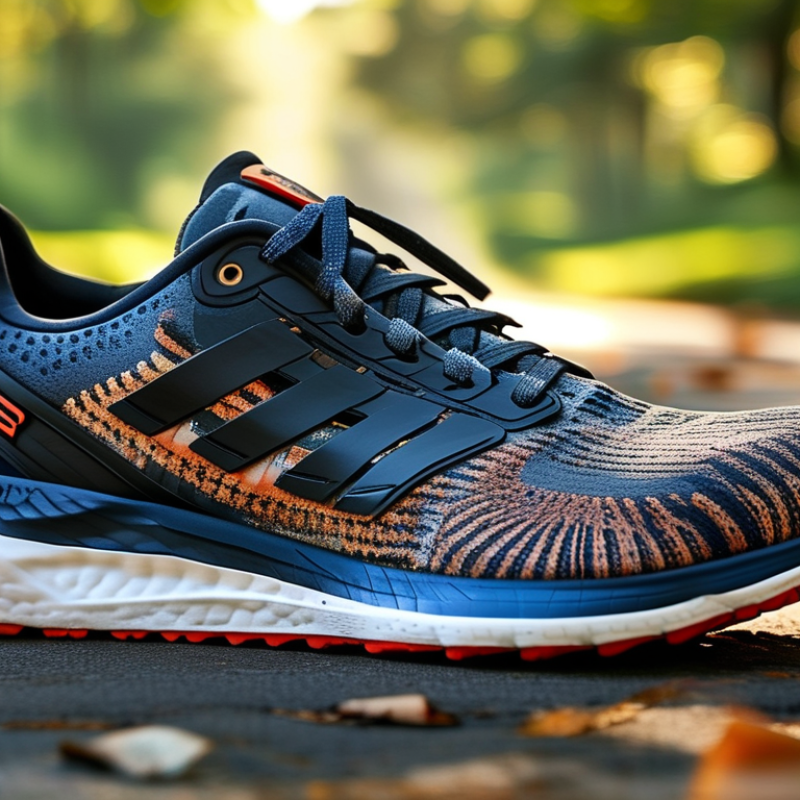
Choosing the right supportive running shoes can significantly impact performance and reduce injury risks. A study by the American Orthopaedic Foot & Ankle Society estimates that 70% of runners experience injuries related to footwear. Proper footwear can mitigate this. Supportive running shoes provide essential stability, cushioning, and protection for every type of runner.
Research shows that shoes with adequate support can enhance comfort during long runs. A report from the Journal of Sports Medicine highlights that runners wearing supportive shoes are less likely to develop conditions such as plantar fasciitis. Many athletes often overlook the type of shoe they wear. This can lead to discomfort and setbacks in training.
In a moment of reflection, it's crucial to recognize that not everyone prioritizes shoe selection. Many runners stick to familiar brands or styles without considering their support needs. Therefore, understanding the right supportive running shoes is vital. Emphasizing the importance of a proper fit can also help align foot mechanics.
Understanding different foot types is crucial for finding the right running shoes. Each runner has unique needs based on their foot shape and biomechanical function. Flat feet may need more arch support, while those with high arches often benefit from extra cushioning. Knowing your foot type helps tailor your shoe choice and optimize your running experience.
Overpronators, who roll their feet inward, should seek stability shoes. These shoes help manage excess motion and provide necessary support. Conversely, supinators, who tend to roll outward, require shoes with more flexibility and cushioning. Even if you have a neutral foot type, finding a shoe that aligns with your running style is vital. It can be challenging to navigate these choices, and you might not get it right the first time.
Many runners overlook the importance of proper fitting. A shoe that’s too tight or loose can lead to discomfort and injury. Pay attention to how your feet feel during a run. Don't hesitate to adjust your choice if discomfort arises. Remember, with running shoes, there's no one-size-fits-all solution. Your unique foot structure and running habits should drive your decision.
When searching for supportive running shoes, certain features stand out. Arch support is crucial. This helps maintain proper foot alignment during runs. Runners with flat feet or high arches may need different types of support. Cushioning is another vital element. The right cushioning absorbs impact, providing comfort on various surfaces. Foam technologies can enhance the overall feel of the shoes.
Breathability is often overlooked but is essential for long runs. Materials that allow airflow prevent overheating and moisture buildup. You want shoes that keep your feet cool and dry. Stability features aid in preventing injuries by guiding the foot's movement. Stability shoes often have a firmer midsole to offer extra support.
Finding the right fit is not just about size. The toe box should allow wiggle room. Shoes that are too tight can lead to blisters. Trying on shoes later in the day is wise. Your feet tend to swell, and this helps ensure a more accurate fit. Think about how the shoes will perform over time. Wear can affect support and cushioning dramatically.
When it comes to finding the best supportive running shoes, various brands cater to different runner needs. According to a recent industry report, 75% of runners experience foot discomfort, emphasizing the importance of good footwear. Many athletes seek shoes designed with cushioning and arch support, critical for long distances.
Footwear experts recommend brands that focus on stability and comfort. A study found that shoes with a well-structured midsole significantly reduce surface impact by 30%. This is essential for those who frequently run on hard surfaces.
Runners with flat feet or high arches should seek shoes tailored to their specific foot type for optimal support.
It's worth noting that not all shoes perform equally for every runner. Personal preference plays a big role in comfort and fit. In one survey, 68% of runners reported that trial and error are necessary to find the perfect shoe. Considerations like shoe weight and breathability also influence the running experience. Each runner's journey to finding the right shoe may require adjustments and returns. Prioritizing support can lead to improved performance and a reduction in injuries.
Choosing between cushioning and stability shoes is critical for runners.
Cushioning shoes focus on shock absorption.
They provide a soft landing, ideal for neutral runners or those who prefer a plush ride. Studies show that cushioning shoes can reduce the impact forces on joints by up to 40%.
However, excessive cushioning may lead to instability and limit proprioception.
In contrast, stability shoes offer support for overpronators.
They have features like medial posts that help guide the foot. Research indicates that a significant percentage of runners overpronate, making stability shoes essential for injury prevention.
Those with flatter arches particularly benefit from the extra support. Yet, it's important to remember that too much support can result in a rigid feeling, which may hinder natural movement.
Tips: Always try shoes in-store. A fitting specialist can analyze your gait.
Pay attention to how your feet feel after a run. Look for discomfort areas—these can be indicators of the wrong shoe type.
Reflect on your running habits, as they can influence your choice of footwear significantly. Personal comfort should always guide your selection.
Finding the right size and fit for running shoes is crucial for comfort and performance. Many runners overlook this step, leading to injuries. A study by the American Orthopaedic Foot & Ankle Society indicates that nearly 70% of runners experience foot pain due to improper shoe fit. Understanding the anatomy of your foot can guide better choices.
Measure your feet at the end of the day when they are slightly swollen. This way, you can avoid selecting shoes that might feel tight during runs. Use a Brannock device, commonly found in shoe stores, to determine your exact size. Remember that sizes can vary between brands. A report from the Journal of Sports Sciences notes that over 60% of runners purchase shoes that don't match their true size. Small adjustments can make a big difference.
Test shoes on a hard surface. Walk and jog for a few minutes to ensure proper comfort. Pay attention to any pinching or pressure points. Shoes should feel snug, yet not restrictive. Don't be afraid to try different styles. Each type can fit differently. Rethink your choice if discomfort arises during your runs. Quality fit can lead to better performance and a more enjoyable running experience.
| Shoe Type | Cushioning Level | Arch Support | Weight (oz) | Recommended For |
|---|---|---|---|---|
| Neutral | Moderate | Medium | 8.5 | Road Runners |
| Stability | High | High | 10.0 | Overpronators |
| Trail | Moderate | Medium | 9.5 | Trail Runners |
| Minimalist | Low | Low | 6.0 | Natural Runners |
| Cushioned | Extreme | Medium | 11.0 | Long-Distance Runners |
: Knowing your foot type helps in selecting the right running shoes that enhance your running experience and comfort.
Overpronators should look for stability shoes to manage excess inward motion and provide necessary foot support.
Supinators need shoes that offer more flexibility and cushioning to accommodate their outward foot roll.
A good fit prevents discomfort and injuries. Shoes that are too tight or loose can lead to running issues.
Look for arch support, cushioning, breathability, and stability features to enhance comfort and reduce injury risks.
Try on shoes later in the day when your feet are more swollen for a better fit observation.
Over time, wear can degrade support and cushioning. Regularly assess your shoes to ensure they still perform well.
Many brands focus on comfort and stability, but personal preference matters greatly in finding the best fit for your needs.
Runners should consider factors like foot type, running style, and comfort, even if it means some trial and error.
If discomfort arises, don’t hesitate to re-evaluate and adjust your shoe choice.
When selecting the best supportive running shoes, it's essential to understand individual foot types and their specific running needs. Different runners, whether they have flat, neutral, or high arches, require distinct features in their footwear to ensure optimal performance and injury prevention. Supportive running shoes should be evaluated based on key characteristics such as cushioning, stability, and fit, each playing a crucial role in providing the necessary support.
Additionally, choosing between cushioning and stability shoes involves understanding how each type can affect a runner's experience. A comparative analysis highlights that while cushioning shoes offer comfort and shock absorption, stability shoes provide alignment and reduce the risk of overpronation. Finally, proper sizing and fitting are paramount; personalized recommendations can enhance both comfort and performance, ensuring that every runner finds the ideal supportive running shoes for their journey.
Search4Fun Shoes