Choosing Running Spike Shoes in 2026 requires more than copying a champion’s footwear. Track surface, event distance, foot shape, and running mechanics all matter. A 60-meter sprinter needs aggressive traction and a firm forefoot. A 5,000-meter athlete may need softer cushioning and less pressure under the toes. The same shoe can feel fast for one runner and painfully rigid for another.
World Athletics’ 2024 Technical Rules outline limits for sole thickness, spikes, and approved competition footwear. These rules make compliance part of a responsible buying decision. World Athletics’ shoe regulations should be checked before major competitions, because product designs and event requirements can change. Industry reports from Grand View Research also show continued growth in performance athletic footwear, driven by lighter materials, plate technologies, and specialized designs. Growth does not guarantee better performance. Marketing can move faster than evidence.
Dr. Benno Nigg, a respected footwear biomechanics researcher, has repeatedly emphasized this practical principle: “The best shoe is the one that is most comfortable.” Comfort still needs testing. Walk in the spikes. Jog through turns. Notice pressure beneath the big toe and tightness around the heel. A useful shoe should feel secure, not punishing. I would not pretend that one buying formula works for everyone. It does not. A beginner may overvalue stiffness, while an experienced athlete may ignore an old fit problem. This guide compares spike plate design, pin configuration, event suitability, durability, fit, and competition rules, helping runners choose with clearer evidence and fewer costly mistakes.
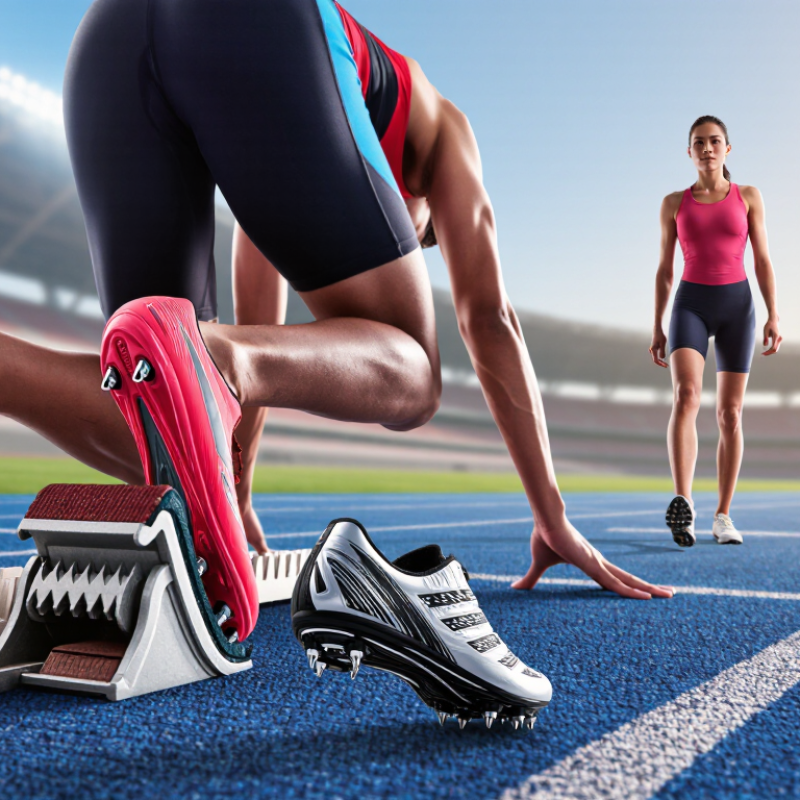
How to Choose Running Spike Shoes in 2026?
What Running Spike Shoes Are and How They Differ by Event
Running spike shoes use removable or fixed metal pins to improve traction on track surfaces. Their light uppers reduce unnecessary movement, but comfort can feel surprisingly limited. World Athletics’ 2024 Competition and Technical Rules allow spike protrusions up to 9 millimeters in most track events. Always check the facility’s local requirements.
Sprint spikes usually have a stiff plate and minimal cushioning. This design supports explosive push-offs over 60 to 400 meters. Middle-distance spikes balance stiffness with modest cushioning, helping runners manage repeated impacts. Distance spikes feel more flexible and forgiving. They suit 3,000 meters, 5,000 meters, and longer races. Steeplechase models need secure drainage and stable landings. That detail matters when barriers and wet surfaces appear.
Field events require different choices. High-jump and javelin shoes often use heel spikes for braking and takeoff control. World Athletics permits different spike limits for these events, including up to 12 millimeters in certain cases. The 2024 SFIA Topline Participation Report recorded about 50.6 million American running and jogging participants in 2023, showing how broad the category has become. Still, participation data cannot tell you the correct shoe. Test the fit at race pace, check pressure under the toes, and consider your surface. I once assumed a stiffer plate meant faster times. It only made my calves tighten early.
Choosing running spike shoes in 2026 starts with distance, not appearance.
Sprint spikes usually use a stiff plate and aggressive traction for explosive starts. They suit short races, where power and ground contact matter most. Middle-distance shoes balance grip, flexibility, and cushioning. For 800-meter to 1,500-meter races, this balance can protect your calves during late-race fatigue. Distance spikes feel more forgiving and stable. They fit 3,000-meter and 5,000-meter racing, especially when comfort becomes decisive. That distinction matters.
Track surface also changes the decision.
On a modern synthetic track, moderate-length pyramid spikes often provide reliable grip without excessive bite. Check facility rules before choosing spike length. Some tracks restrict longer pins because they may damage the surface. Indoor tracks can require shorter pins or specialized designs.
Grass and cross-country courses need deeper traction, while track spikes may slip in mud. Dry grass can feel secure, but wet ground quickly exposes weak traction. Conditions can change.
Fit should be firm, never painful.
Your heel must stay planted during starts and bends. Try them with race socks, then walk and jog before racing. A shoe that feels fast for two minutes may feel harsh after six laps.
New runners often choose the stiffest option. I once made that mistake.
Strength, ankle mobility, and race pace should guide your choice. Test spikes during controlled sessions, not only on race day. Replace worn pins and inspect the plate regularly. Personal testing still matters.
How to Choose Running Spike Shoes in 2026?
Spike plate stiffness changes how your foot meets the track. A rigid plate can improve power transfer during fast racing. It may also increase calf and forefoot stress. Softer plates feel more forgiving, especially for beginners or longer events. I would test stiffness during short strides before using spikes in competition. Start gently. Your calves need time.
Cushioning should match the event and your running style. Sprinters may prefer a thin, responsive platform for direct track feedback. Middle-distance runners often need more cushioning under the heel and forefoot. Distance racers should value comfort during repeated laps, not just a sharp first impression. Too much softness can reduce stability. That trade-off is easy to overlook.
Fit matters more than impressive specifications. Your heel should stay secure without pressure around the Achilles tendon. Toes need slight movement, but they should not slide forward during acceleration. Try the shoes with your usual racing socks. Bend your knees, jog, and perform several starts. I have sometimes mistaken a tight fit for better control. It usually became painful later. Check both feet, since one may be larger. A small amount of space near the toes can prevent bruising, but excess room creates movement inside the shoe. Surface, weather, and training history also affect your choice. Personal testing remains more reliable than online ratings.
How to Choose Spike Plate Stiffness, Cushioning, and Fit
The chart shows practical starting-point scores on a 1–5 scale. Short sprints generally benefit from a stiffer plate, minimal cushioning, and a very secure fit. Middle- and long-distance events usually require more cushioning and a slightly more forgiving fit to balance propulsion, comfort, and fatigue resistance. Fit should remain snug without numbness, pressure points, or heel movement.
How to Choose Running Spike Shoes in 2026?
Choosing track spikes starts with the event, not the color or newest design. Sprint spikes usually have a stiff forefoot plate and short, aggressive spikes. Distance spikes need more flexibility and cushioning for repeated ground contact. Middle-distance shoes sit between these choices. They should feel secure without making your calves work unnecessarily hard.
Spike length changes traction and comfort. A 6 mm spike often suits a firm track, while 9 mm may help on softer surfaces. Always check venue rules and thread size before buying replacements. A spike that is too long can catch the track and disturb your stride. Too short may feel slippery during a wet race. I have found that turning spikes by hand is not enough. Use a proper wrench and tighten them gently. Over-tightening can damage the insert.
Tips: Test the shoes during an easy session, not on race day. Walk, jog, and perform a few accelerations. Check for heel lift, toe pressure, and hot spots. Carry spare spikes and a small wrench. Inspect the points after each workout, especially after bends or wet training. Replacement spikes should match the original shape, length, and thread. Some runners replace worn spikes too late. I have done that myself. The loss of grip was obvious. Still, comfort can outweigh general rules, so record how your feet respond.
| Running Event or Use | Recommended Spike Shoe Category | Typical Spike Length | Preferred Spike Type | Why It Works | Key Selection Considerations | Replacement Guidance |
|---|---|---|---|---|---|---|
| 60 m–100 m Sprint | Sprint spike Very stiff forefoot with a highly aggressive toe plate |
5–6 mm for most synthetic tracks | Pyramid or needle spikes, if permitted | Short spikes provide traction during explosive acceleration while helping reduce unnecessary weight. | Choose a secure heel fit, a rigid forefoot, and enough toe-room to avoid pressure during maximal effort. | Replace when the points are rounded, bent, visibly shortened, or no longer grip the track evenly. |
| 200 m–400 m Sprint | Sprint or long-sprint spike Moderate cushioning with a firm, responsive plate |
5–7 mm | Pyramid or needle spikes | Balances traction, stiffness, and comfort through acceleration, bends, and sustained high speed. | For 200 m races, prioritize lightness; for 400 m races, allow slightly more comfort and forefoot protection. | Carry a spare matched set and a compatible spike wrench for competition-day replacement. |
| 800 m–1500 m | Middle-distance spike Less aggressive geometry and more underfoot comfort than a pure sprint model |
5–7 mm | Pyramid spikes are a practical all-purpose option | Supports faster running while providing more comfort for events lasting several minutes. | Look for a secure midfoot, moderate plate stiffness, and enough protection for repeated training sessions. | Replace the full set together when possible so traction remains balanced from left to right. |
| 3000 m–5000 m | Distance spike Flexible and comparatively comfortable forefoot construction |
5–7 mm | Pyramid spikes; blunt designs may be preferable where allowed | Offers reliable grip without making the shoe excessively harsh over longer race distances. | Prioritize fit, breathability, and foot comfort over maximum plate stiffness or the most aggressive traction. | Inspect the threads and plate after every few uses; replace damaged spikes before they loosen during a race. |
| Steeplechase | Distance or steeplechase spike Secure upper and drainage-friendly construction |
5–7 mm, subject to venue rules | Pyramid spikes are commonly versatile | Provides traction while helping the shoe remain manageable through barriers and water obstacles. | Choose a snug heel, secure lacing, and materials that do not retain excessive water. Confirm the permitted length. | Remove and dry spikes after wet races; replace any corroded or cross-threaded spike and inspect the plate carefully. |
| Hurdles | Sprint or hurdle spike Lightweight shoe with stable forefoot support |
5–7 mm | Pyramid or needle spikes, where allowed | Supports acceleration and controlled foot placement during repeated takeoffs and landings. | Ensure the shoe does not slide inside the heel and that the upper holds the foot securely during aggressive dorsiflexion. | Replace spikes when traction becomes inconsistent, especially if one foot receives more wear during takeoff practice. |
| Long Jump and Triple Jump | Jump spike Stable, supportive platform with a firm takeoff zone |
6–9 mm, depending on surface and regulations | Pyramid spikes are generally versatile; use only approved alternatives | Provides grip during the runway approach and a stable platform for the takeoff phase. | Choose fit and stability first. Triple jumpers may prefer more impact protection than long jumpers because of repeated landing forces. | Use the same length and type across the shoe unless the manufacturer explicitly permits another configuration. |
| High Jump | High-jump spike Designed for controlled approach and takeoff support |
6–9 mm, subject to facility rules | Pyramid or other approved high-jump spike patterns | Supports traction during the curved approach and stability at takeoff. | Check whether the shoe allows the required spike placement and whether the competition venue restricts spike geometry. | Replace worn spikes before they affect approach consistency; inspect both forefoot and heel spike positions. |
| Cross-Country on Grass or Soft Soil | Cross-country spike More protective upper and stronger outsole than a track racing spike |
6–9 mm; longer options may be restricted | Pyramid or needle spikes for softer ground, if permitted | Longer traction can improve grip on grass, mud, and soft soil where short track spikes may slip. | Match length to ground firmness. Avoid unnecessarily long spikes on hard-packed paths because they can reduce comfort and stability. | Clean mud from the threads, dry the shoes naturally, and replace bent or rusted spikes promptly. |
| Indoor Track | Indoor-compatible spike shoe Usually lighter and designed for a specific indoor surface |
3–6 mm, depending on facility rules | Short pyramid spikes are often the safest general choice | Shorter spikes help protect the track surface and reduce the chance of excessive penetration. | Check the facility's maximum length before purchase. Some indoor venues prohibit spikes or permit only specific types. | Keep a separate set for indoor use when possible; track-surface residue can accelerate wear on the threads. |
| Wet Synthetic Track | All-weather track spike Secure upper with dependable outsole contact |
5–7 mm, according to rules | Pyramid spikes usually offer a balanced combination of grip and release | Provides traction without relying solely on extreme spike length, which may feel unstable on a firm wet surface. | Confirm the track's permitted spike length and avoid racing with loose, mismatched, or heavily worn spikes. | Dry the shoes after use and check for dirt inside the spike receptacles before reinstalling spikes. |
| Hard or Concrete-Adjacent Surfaces | Use caution Consider racing flats or non-spike shoes if permitted |
Shortest permitted option | Blunt pyramid spikes may be less aggressive than needle designs | Very hard surfaces can increase discomfort and may damage spikes or the spike plate. | Do not use long spikes simply to compensate for an unsuitable surface. Follow venue guidance and choose cushioning when appropriate. | Replace spikes showing flattened tips or thread damage; inspect the sole for cracks after running on hard ground. |
Choosing running spike shoes in 2026 should begin with careful testing, not appearance. Wear the socks you use for racing and check the fit after a short warm-up. Your heel should stay secure without pressure on the Achilles tendon. Your toes need room to spread, but your foot should not slide forward. Walk, jog, and perform three gentle accelerations on a safe track surface. Any sharp rubbing, numbness, or unstable feeling deserves attention.
I once tested spikes for only five minutes and regretted it during my first hard session. A better break-in plan uses short workouts. Start with easy running, then add four relaxed strides. Increase the distance gradually over two or three sessions. Do not begin with repeated sprints or a full race. The plate may feel aggressive, especially if your calves are not prepared. Mild stiffness can be normal, but persistent pain is not a badge of progress.
After training, remove loose dirt with a soft brush and let the shoes dry naturally. Keep them away from direct heat, which can weaken adhesives and distort materials. Check the spike pins before every demanding session. Replace damaged or blunt pins with the correct size and tighten them carefully. Store the shoes in a dry, ventilated place. My own mistake was leaving wet spikes in a closed bag overnight; the odor lasted for days, and the upper felt less flexible. Track mileage and discomfort honestly. A fast shoe is useless when it changes your stride or causes avoidable injury.
Rigid plates can improve power transfer during fast races. They may increase calf and forefoot stress. Softer plates feel more forgiving. Test short strides first. Start gently.
Sprinters often prefer thin, responsive cushioning. Middle-distance runners may need support under the heel and forefoot. Distance runners should prioritize comfort over a sharp first feeling. Too much softness can reduce stability.
The heel should stay secure without pressing the Achilles tendon. Toes need slight movement, but they should not slide forward. Try your usual racing socks. Check both feet. One foot may be larger.
Sprint spikes usually have stiff forefoot plates and short spikes. Distance models need more flexibility and cushioning. Middle-distance shoes balance security, flexibility, and support. Choose for the event, not appearance.
A 6 mm spike often suits firm tracks. A 9 mm spike may provide better traction on softer surfaces. Check venue rules and thread size. Excessive length can catch the track.
Walk, jog, and perform several gentle accelerations. Check for heel lift, toe pressure, hot spots, and numbness. Test them during an easy session. Race day is too late.
Begin with easy running and four relaxed strides. Increase distance over two or three sessions. Avoid repeated sprints initially. Mild stiffness may be normal. Persistent pain is not progress.
Remove dirt with a soft brush and let the shoes dry naturally. Avoid direct heat. Inspect pins before demanding sessions. Replace blunt or damaged pins with matching size and thread. Tighten them gently. I once left wet shoes in a closed bag overnight. The odor lasted for days.
Choosing Running Spike Shoes in 2026 starts with understanding how different designs support different events. Sprint spikes prioritize explosive power and a firm, aggressive plate, while middle- and long-distance models usually provide more flexibility, cushioning, and comfort. Consider your race distance, running style, and track surface before deciding. A shoe that feels fast for a short sprint may become uncomfortable during a longer event, so balance responsiveness with protection and stability.
Pay close attention to spike plate stiffness, heel and forefoot cushioning, overall fit, and foot security. Select spike type and length according to the track conditions and event requirements, and check whether replacement options are practical for regular training. Before racing, test the shoes gradually, allow time for break-in, and monitor pressure points or unusual movement. Clean and dry them after use, inspect the plate and upper regularly, and replace worn spikes when traction declines. The best choice combines event-specific performance, comfort, durability, and confident handling.

Search4Fun Shoes