Choosing the right footwear is crucial for athletes looking to enhance their performance. Running shoes spikes are specifically designed to provide superior grip and traction, critical for sprinting on various surfaces. According to studies by the American College of Sports Medicine, the right shoes can improve running efficiency by up to 5%.
These specialized shoes are not just about speed; they also help reduce the risk of injuries. Research from the Journal of Sports Sciences highlights that athletes wearing spikes experience fewer slips and falls. This footwear encourages proper biomechanics, ensuring athletes maintain optimal form. However, not all running shoes spikes are created equal. Some models may not provide adequate support for all foot types, underscoring the need for careful selection.
While the benefits are clear, athletes must consider individual needs. The wrong pair can lead to discomfort and poor performance. Thus, understanding the specific role of running shoes spikes in training and competition is essential for any serious runner.
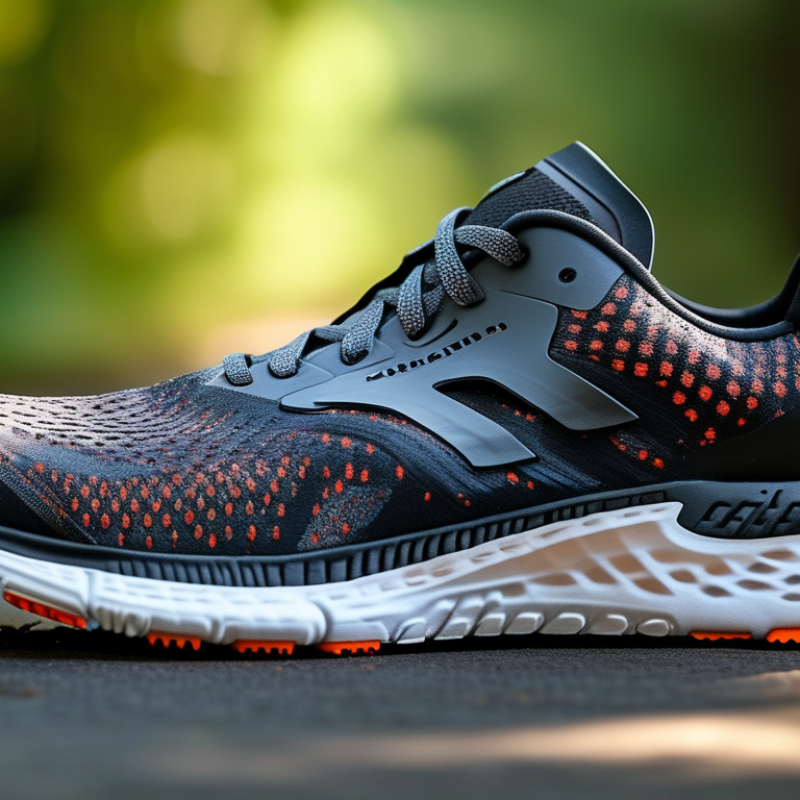
Spike running shoes are a game changer for track and field athletes. They offer improved traction on the track, which boosts speed and stability. The unique spike configuration helps athletes dig into the ground with each stride. This grip prevents slipping, especially on rainy days or during intense races. Athletes can push off the ground harder, leading to faster times.
Additionally, these shoes are generally lightweight. They allow for greater agility and responsiveness. The design encourages a more efficient running form. However, using spikes also requires practice. Running with them feels different, and athletes must adjust. Adapting to the new sensations can be challenging. It's essential to train with spikes before competition.
Lastly, comfort is vital. Not every athlete finds spikes suitable. Some may experience discomfort after long sessions. It’s crucial to find the right fit. Athletes should also consider their running style and track surface. With the right approach, spike running shoes can elevate performance remarkably for those willing to invest the time.
| Benefits | Description |
|---|---|
| Increased Traction | Spikes provide superior grip on track surfaces, enhancing acceleration and stability during races. |
| Improved Speed | The lightweight design and traction help runners achieve faster times by promoting better running form. |
| Enhanced Stability | Spikes distribute weight evenly, offering better balance and control during sprints and distance events. |
| Targeted Foot Support | Designed to accommodate different running styles, giving runners tailored support and minimizing injury risk. |
| Durability | Built with robust materials that withstand the rigors of competitive environments and offer long-lasting performance. |
: For road running, lighter and shorter spikes are ideal. They enhance speed on paved surfaces.
Yes, track athletes prefer longer, pointed spikes. These provide better grip during sprints.
Wider base spikes offer stability on uneven terrain. They help maintain balance during races.
Spikes dig into the ground, acting like mini-anchors. This enhances stability and speed for runners.
Spikes made from durable metals or hard plastics withstand wear. They allow athletes to train longer.
Over-reliance on spikes can lead to poor technique. It's important to maintain natural running form.
Regularly brush off dirt and mud. Rinse them with cool water and air dry completely.
Store spikes in a cool, dry area. Avoid damp places to prevent mold growth.
Check spikes for wear and damage regularly. Replace them when they become dull or misshapen.
Consider terrain and weather conditions. Experimenting with different spikes can help improve race times.
Running shoes with spikes offer significant advantages for track and field athletes, enhancing overall performance. The benefits of using running shoes spikes include improved grip and traction, which are crucial for executing powerful starts and maintaining speed on various surfaces. Different types of spikes are available to cater to specific running events, allowing athletes to select the most appropriate ones for their needs.
Choosing the right spike length is essential for optimal performance, as it affects how athletes interact with the track. Additionally, proper maintenance of spike running shoes is vital to ensure their longevity and effectiveness. By understanding these factors, athletes can maximize their potential and enjoy a competitive edge in their performance.

 Search4Fun Shoes