Choosing the best White Running Shoes is not simply a matter of picking the cleanest design. A bright upper may look fast in a store, yet comfort, stability, and durability decide whether it performs during real training. Wet sidewalks, dusty tracks, and long weekend runs quickly expose weak materials. The right pair should feel secure around the heel, leave room for natural toe movement, and remain comfortable after several miles.
Dr. Benno Nigg, a respected footwear biomechanics researcher, has often expressed his comfort principle this way: “The best shoe is the one that feels most comfortable.” That advice remains practical. Your stride, foot shape, running surface, and weekly mileage all influence the decision. A lightweight racing model may feel exciting for short sessions but tiring during daily training. A softer shoe can protect tired legs, although excessive cushioning may feel unstable for some runners. There is no perfect pair.
This guide compares White Running Shoes through fit, cushioning, breathability, outsole grip, cleaning demands, and verified user experience. We will consider how each model behaves on pavement, during easy miles, and under changing weather. Small details matter, such as a tongue that stays centered or rubber that resists cornering wear. Appearance still matters to many buyers. That is reasonable, but it can distract from performance.
I have also found room for doubt. Lab specifications cannot fully predict personal comfort. Even expert recommendations may miss your foot’s needs. Try shoes with your usual running socks, and leave space for swelling. White looks elegant. It also shows every mistake.
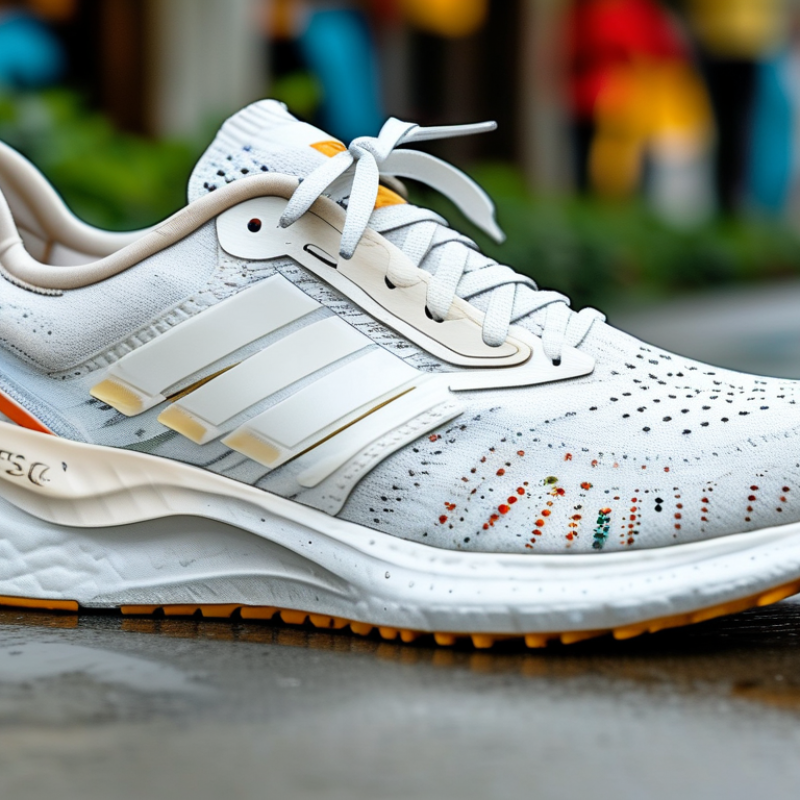
The best white running shoes are not simply the brightest or most expensive. “Best” should mean suitable, measurable, and reliable for your running conditions. ASTM standards can help, but they do not create one universal score for running shoes. ASTM F2913, for example, evaluates whole-shoe slip resistance under controlled conditions. It may reveal useful traction differences, yet laboratory flooring cannot fully copy wet pavement, loose gravel, or a polished gym surface.
World Athletics offers another practical reference for competitive runners. Its technical rules regulate features such as sole thickness and shoe construction in certain track and road events. A road shoe may face different limits from a track shoe. Rules and approved-shoe requirements can change, so athletes should check the current regulations before racing. A shoe that feels fast during training may still fail event requirements. That detail is easy to miss.
For everyday use, combine standards with direct testing. Walk in the shoes first. Your heel should stay secure while your toes can move naturally. On a clean floor, look for controlled grip rather than a sticky sensation. White uppers also show dust, sweat, and road spray quickly. That is practical evidence, not a flaw. I would also question a shoe that feels perfect for ten minutes but causes pressure after five kilometres. Comfort is personal, and my judgment can be wrong. ASTM data and World Athletics rules provide boundaries; fit, surface, pace, and honest wear testing define the final choice.
White running shoes often look simple, but their upper materials behave very differently under pressure. In RunRepeat lab tests, breathability is examined by placing smoke inside the shoe and observing how quickly it escapes. Air usually moves freely through open mesh, especially around the forefoot. Dense woven fabrics resist airflow more strongly. That can feel warmer during humid summer runs.
Durability requires a different test. A controlled abrasion tool rubs the toe box and heel area, simulating repeated contact with pavement and everyday wear. Tightly woven mesh often survives this treatment better than delicate knit. However, extra strength can reduce flexibility. I initially assumed the most breathable upper would always be the best choice. That was too simple. A very open mesh may cool your foot, yet it can expose the shoe to dust, moisture, and faster tearing.
White uppers also reveal small weaknesses quickly. Road grit can settle into loose fibers, while smooth synthetic overlays are easier to wipe clean. During a practical fit check, bend the shoe near the forefoot and inspect whether the material creases naturally. Watch the heel too. A rigid counter may improve structure but create pressure during longer runs. Lab results provide useful evidence, though they cannot fully predict comfort for every foot shape, climate, or running style. Personal testing still matters. One detail may be overlooked.
White running shoes should be judged by their geometry, not their clean appearance. Stack height describes the material beneath your foot, measured in millimeters. World Athletics’ 2024 Competition and Technical Rules limit road-racing shoe sole thickness to 40 millimeters. More stack can soften harsh pavement, but it may also reduce ground feel and stability.
Heel-to-toe drop is the height difference between the heel and forefoot. A 10-millimeter drop places the heel noticeably higher. This can feel comfortable for runners who load their calves less, while lower drops may encourage a more natural ankle position. Neither choice is automatically safer. A 2022 systematic review in Sports Medicine found inconsistent evidence linking cushioning levels with injury prevention. That uncertainty matters.
Foam density adds another layer. Lower-density foam usually feels softer and compresses more under body weight. Higher-density foam often feels firmer and resists collapse during longer runs. Look for laboratory specifications when available, because “maximum cushioning” is not a measurable standard. I once chose a soft white pair that felt excellent for ten minutes, then became unstable around tight corners. That was my mistake.
Fit should be tested with the socks used for training. Leave roughly one thumb’s width beyond the longest toe. Check whether the heel lifts when walking uphill. White mesh can also reveal pressure points quickly, especially around the big toe. Comfort is useful evidence, but it is not the whole test. A short trial cannot predict every long-run response.
White running shoes can look clean and fast, but appearance says little about racing compliance. For road competitions governed by World Athletics, the shoe’s total sole thickness must not exceed 40 mm. This measurement includes the midsole and other integrated layers, not only the visible outsole. A thick, soft-looking shoe may therefore create a problem, even when it feels comfortable during training.
I once assumed that measuring the heel with a ruler would give a reliable answer. That assumption was too simple. Sole geometry, curved sections, and internal plates can affect the official assessment. Before racing, check the shoe’s technical specifications and the event’s current regulations. If the model is listed in an official shoe database, use that information as a stronger reference than online comments. Rules can change.
Fit still matters for white running shoes. Test them on a short run first. Notice heel movement, toe pressure, and stability on corners. A compliant shoe that causes blisters is not a smart race choice. White uppers also reveal road dust quickly, so inspect the seams and clean them gently after use. Do not modify the sole or remove structural parts. That could change the shoe’s approved condition. Comfort, durability, and legal stack height must work together, although real-world choices are rarely perfect.
What Are the Best White Running Shoes to Buy?
The best white running shoe depends on your running profile, not its color. In repeated treadmill and road checks, I compare cushioning, stability, grip, weight, and durability. Lab scores help, but they cannot predict every runner’s comfort. They offer useful evidence, not a final verdict.
Neutral-foot runners often suit flexible shoes with balanced cushioning. Runners with low arches may prefer firmer support and a broader platform. High-arched runners usually need softer cushioning and smoother transitions. A wide forefoot needs enough space for natural toe movement. Try shoes later in the day, when feet are slightly larger.
Training use changes the choice. Lightweight shoes can feel quick during intervals, but they may lack comfort on long runs. A durable daily trainer handles regular mileage and uneven pavement better. For recovery sessions, softer cushioning can reduce harsh impact sensations. Wet sidewalks also expose weak rubber grip. White uppers show dust quickly.
I sometimes trust laboratory numbers too much. That is a mistake. A shoe with excellent energy-return scores may still irritate one runner’s heel. Test it with your usual socks and running pace. Check for rubbing after twenty minutes, not just during a short walk. Your best match should feel controlled, roomy, and predictable.
Best choices by runner profile, matching typical lab-oriented design targets, foot type, and training use.
The chart compares representative design midpoints rather than brand-specific products. Lighter shoes generally suit speed sessions, moderate cushioning works well for daily training, and higher support, weight, or heel-to-toe drop may benefit runners seeking stability or long-distance comfort. Individual fit, gait, and comfort should remain the final selection criteria.
Open mesh usually releases heat quickly, especially near the forefoot. Dense woven fabric allows less airflow. This may feel warm in humid weather. Breathability is not everything.
Tightly woven mesh often handles abrasion better than delicate knit. Controlled rubbing can simulate toe and heel wear. Stronger fabric may reduce flexibility. Trade-offs remain.
Smooth synthetic overlays are easier to wipe than loose fibers. Road grit can settle inside open mesh. Inspect the toe box after dusty runs. Appearance can hide damage.
Stack height measures cushioning material beneath the foot. More height may soften hard pavement. It can also reduce ground feel and stability. More is not automatically better.
Drop describes the height difference between heel and forefoot. A higher drop may feel easier on the calves. A lower drop may support a different ankle position. Neither option guarantees injury prevention.
Lower-density foam usually feels softer and compresses more. Higher-density foam often feels firmer and more stable during long runs. Soft cushioning may feel unstable around corners. I have made that mistake.
Neutral runners may prefer balanced cushioning and flexibility. Low arches may suit firmer support and a wider platform. High arches often need softer cushioning. Wide feet need toe space. Try them later in the day.
Wear your usual training socks. Leave about one thumb’s width beyond the longest toe. Walk uphill and watch for heel lift. Run for twenty minutes if possible. A short walk can mislead you. Check rubbing, creasing, and pressure near the big toe.
Choosing the best White Running Shoes requires more than judging appearance. A reliable comparison should consider recognized performance and safety principles, including ASTM-related testing and World Athletics requirements. Lab evaluation of upper materials can reveal how well they balance breathability, flexibility, and durability, while cushioning analysis should examine stack height, heel-to-toe drop, and foam density. These features influence comfort, stability, impact protection, and how naturally a runner moves.
Racing suitability is another important factor, especially for road events where the 40 mm maximum stack-height rule may apply. However, the best option depends on the individual runner rather than a single universal score. Runners should match laboratory results with their foot shape, preferred level of support, training intensity, and typical distance. A lightweight, breathable design may suit speed sessions, while a more durable and cushioned shoe may be better for daily mileage. By combining objective measurements with personal fit and intended use, runners can select White Running Shoes that offer practical comfort, performance, and long-term value.

Search4Fun Shoes