Choosing the best trail run shoes is vital for serious runners. The right footwear enhances performance while preventing injuries. In 2026, numerous options are available, each boasting unique features and technologies.
Quality trail run shoes should offer excellent traction, durability, and comfort. It's essential to consider terrain types, foot shape, and personal running style. Many brands have developed innovative designs, yet not all perform equally. Some shoes may feel comfortable but lack stability on rocky routes.
Pay attention to fit and breathability. A poorly fitting shoe can lead to blisters and fatigue. Runners often reflect on their experiences to make better choices. Selecting the best trail run shoes requires careful thought. Finding the perfect match may take time, but it significantly impacts your running journey.
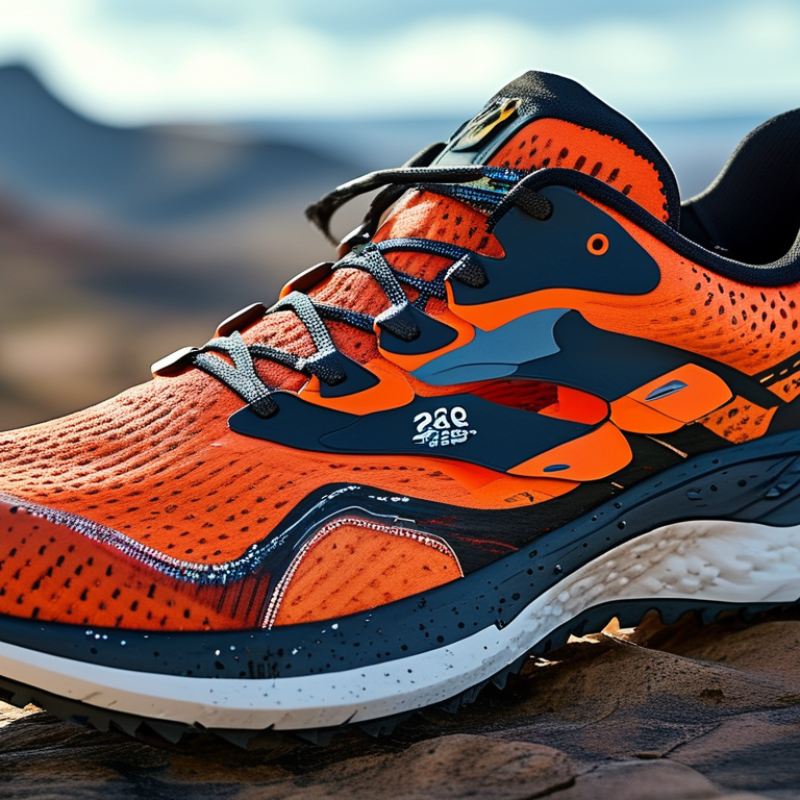
When selecting trail running shoes, several key features are essential for ensuring both performance and safety. The outsole is critical. A grip made from high-traction rubber ensures stability on uneven terrain. Studies show that shoes with multi-directional lugs significantly increase your grip, with data indicating up to 20% better traction on slippery slopes. Cushioning is another vital factor. Enhanced cushioning helps absorb shock and reduces fatigue during long runs. In fact, a recent report indicated that runners with well-cushioned shoes experience 15% less stress on their joints.
Consider the fit and support as well. Shoes must accommodate varied foot shapes and provide arch support. Based on biomechanical research, an improper fit can lead to injuries, making a custom fit preferable. Trail runners often report blisters and discomfort if their shoes are either too loose or too tight. It's crucial to try on multiple models to find the perfect match for your foot shape.
Breathability of the upper material also plays a significant role. Shoes with breathable mesh allow for moisture management, keeping your feet dry. A reliable source pointed out that moisture-wicking materials could improve comfort and reduce the risk of blisters. It’s easy to overlook these details, but they can significantly impact your trail running experience.
When choosing the right type of trail running shoes, it's essential to consider various factors that cater to your specific needs. Trail shoes typically fall into three categories: rugged, responsive, and cushioned. Rugged shoes offer superior traction and stability, making them ideal for rocky terrains. Studies by the American Trail Running Association reveal that 55% of trail runners prioritize grip in their footwear due to potential hazards along the trail.
Responsive shoes are designed for speed, often lighter but with less cushioning. These are preferable for experienced runners seeking quick movements. Meanwhile, cushioned shoes provide maximum comfort, which is vital for long-distance runners. The same report noted that 73% of runners prefer adequate cushioning for extended runs, affecting their overall performance and endurance.
Furthermore, it's crucial to assess your foot type and running style. Flat-footed runners may require a stability shoe, while those with high arches often benefit from neutral options. Many runners overlook the importance of fit; a snug fit reduces the risk of blisters and enhances overall performance. According to industry experts, about 30% of trail injuries are linked to improper shoe selection, emphasizing the need for diligent research before purchase.
Fit and comfort are essential when choosing trail running shoes. A well-fitting shoe can significantly improve your performance on varied terrains. Industry studies reveal that over 70% of runners experience discomfort due to improper shoe fit. Trail runners often encounter rocky paths and steep inclines, placing even more importance on supportive footwear. It’s vital to ensure adequate space in the toe box to avoid blisters and have a secure heel fit to minimize slipping.
Moreover, comfort is not just about fit; it also relates to cushioning and stability. Research indicates that optimal cushioning helps reduce fatigue during long runs. Shoes with inadequate support may lead to injuries like plantar fasciitis or ankle sprains. Many health professionals recommend visiting specialty stores for gait analysis. This personalized approach can result in better shoe choices tailored to individual needs.
Material selection also plays a role in comfort. Breathable fabrics help manage moisture and temperature. However, these materials can wear out and might not provide long-term support. A trial period is essential to test comfort levels during actual runs. Continuous adjustments and observations are necessary for a well-considered choice. The ideal shoe often requires hitting the trails multiple times to understand how your feet interact with the terrain.
When selecting trail running shoes, traction and durability are two critical factors. The right shoes should provide a solid grip on diverse terrains. Rocky paths and muddy trails demand footwear that can adapt and prevent slips. Look for outsoles with aggressive lugs; these can enhance grip on various surfaces. Evaluate the materials used. Rubber compounds with good traction often improve the overall performance.
Durability is equally essential. Trail running shoes endure more wear and tear than standard running shoes. Reinforced toe caps can protect your feet from rocks and roots. Pay attention to the upper material as well; breathable but tough fabric often strikes a balance. However, be aware of the trade-offs. A shoe designed for rugged trails might feel heavier or less flexible than a road running shoe.
Consider your running style and the typical conditions of your trails. Some shoes provide extra cushioning for long distances, while others focus on a minimalist design for better ground feel. Each approach has merits and drawbacks. It’s crucial to find the right balance that works for you. Always remember to test the shoes in similar conditions to those you’ll be running in.
The trail running shoe market is evolving rapidly, driven by technological advancements. By 2026, shoes will incorporate enhanced cushioning systems and improved traction patterns. This is crucial, as nearly 70% of runners report they prioritize comfort in their footwear. The integration of new foam technologies provides better energy return, helping runners maintain endurance on long trails.
Data from recent industry reports suggest that innovations like breathable, water-resistant materials are also trending. This change addresses concerns about moisture management, which affects performance and comfort. Many manufacturers are exploring sustainable materials, aligning with environmental considerations. While these advancements promise better performance, not all shoes will suit every type of runner or terrain.
Furthermore, the shift towards smart technology cannot be ignored. Devices integrated into the soles can offer real-time feedback on running form and foot strike. Some caution that reliance on technology may lead to over-analysis. Runners might overlook their instincts, a critical aspect of connecting with the trail. Balancing innovation with personal experience will be key for every trail runner in 2026.
: Trail shoes can be categorized as rugged, responsive, and cushioned, each serving different needs.
Traction ensures a solid grip on various terrains, especially rocky and muddy paths, reducing slip risks.
Flat-footed runners may need stability shoes, while high-arched runners often benefit from neutral options.
Look for reinforced toe caps and durable, breathable materials to withstand wear and tear during runs.
A snug fit helps prevent blisters and contributes to overall performance during your runs.
Yes, advancements include better cushioning, traction, and breathable materials, enhancing comfort and performance.
Test shoes under your typical running conditions to see what works best in terms of cushioning and flexibility.
Some believe over-reliance on tech may distract from instinct and personal connection to the trail.
Absolutely, as many runners prioritize comfort, which significantly affects their endurance on long trails.
In 2026, selecting the best trail run shoes involves considering several key features tailored to the specific needs of trail runners. Important aspects include the type of trail running shoes suited for different terrains and conditions, as well as the critical importance of fit and comfort to enhance overall performance. Evaluating traction and durability is essential, ensuring that the shoes can withstand various outdoor challenges while providing reliable grip.
Additionally, advancements in technology have led to innovative designs in trail run shoes, incorporating materials and features that maximize efficiency and support. By understanding these key components, runners can make informed decisions and choose the perfect trail run shoes to elevate their experience on the trails.

Search4Fun Shoes