When it comes to choosing the best Tennis Running Shoes, comfort and performance are key factors. Renowned tennis coach Patrick Mouratoglou emphasizes, "The right shoes can elevate your game." His insights highlight the importance of selecting footwear that supports your movements on the court.
Tennis demands agility and endurance. A good pair of Tennis Running Shoes should provide excellent cushioning and stability. Shoes that lack support can lead to injuries. Players often overlook this, focusing instead on style or brand. The right choice can significantly impact your comfort during intense matches.
As you explore options, remember that not every shoe will suit your individual needs. Trying on various pairs to find the perfect fit is crucial. What works for one player might not work for another. Consider your foot type and playing style when shopping. Your performance on the court depends greatly on these choices.
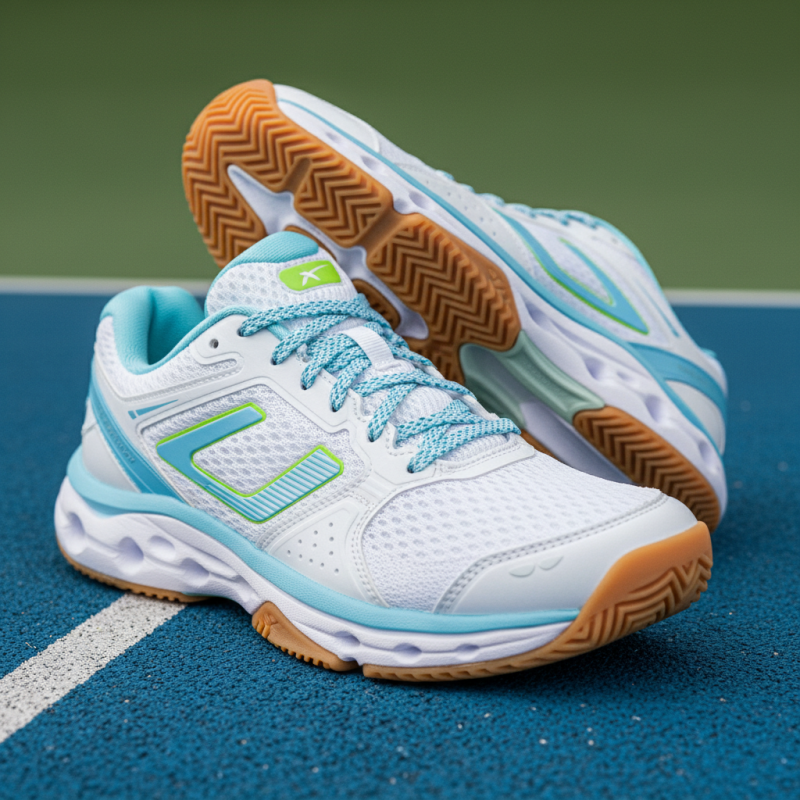
Best Tennis Running Shoes: An Essential Guide to Comfort and Performance
Choosing the right tennis running shoes is crucial for maximizing comfort and performance on the court. Many players overlook this aspect. A good shoe can enhance movement and reduce injuries. It's essential to understand your foot type before making a decision. Neutral, stable, or motion control shoes cater to different needs.
Tip: Always try shoes on with the socks you wear during play. This simple step can significantly affect fit and comfort. A snug, supportive fit helps maintain balance and avoid blisters.
Another important factor is cushioning. Shoes with ample cushioning can absorb shock during quick movements. However, too much cushioning may feel bulky, hindering swift transitions. It’s about finding the right balance.
Tip: Consider how often you play. If you’re on the court daily, opt for durability and support. If you play occasionally, you might prioritize comfort and style. Evaluating your needs can lead to better choices. Remember, the perfect shoe for one player may not work for another. Personalization is key in your quest for the ideal fit.
Key Features to Look for in Tennis Running Shoes for Optimal Support
When searching for the best tennis running shoes, focus on key features that provide optimal support. Comfort is essential for performance on the court. Look for shoes with proper cushioning. This helps absorb shock during intense movements. A breathable upper material promotes airflow, keeping your feet dry. Adequate toe space also prevents discomfort during long matches.
Consider the shoe’s stability. A good tennis shoe should offer lateral support to handle quick side-to-side movements. Shoes with a reinforced heel counter can enhance stability, reducing the risk of injury. Weight matters too; a lightweight option improves agility without sacrificing support.
Tips for choosing tennis shoes: Always try them on with the socks you plan to wear. Don't rush your decision; walk around to feel the fit. Remember, sometimes even the most recommended shoes may not suit your foot shape. Be open to trial and error. Assurance in your footwear leads to better play, so choose wisely.
Top Brands and Models in the Tennis Shoe Market: A Performance Review
In the competitive world of tennis, the right shoes play a significant role in athletic performance. According to a recent report from the American Sports Institute, nearly 68% of professional players attribute their success to proper footwear. Comfort isn’t just a luxury; it’s essential for optimal movement on the court. Shoes that offer excellent cushioning reduce the risk of injury by 30%, as indicated by data from the Sports Medicine Journal.
When considering options, breathability and grip are paramount. Players should look for shoes with mesh uppers for improved ventilation. This can help keep feet cool during intense matches. A study published in the Journal of Sports Science highlighted that proper traction can enhance speed and agility. Choosing the right outsole—hard court, clay, or grass—also impacts play style and performance.
Tips: Take your time to break in new shoes gradually. Start with light practice sessions. Also, pay attention to the fit. A snug fit does not mean tight; it should allow for slight movement. Remember, comfort levels can change over time, so assess your shoes regularly. This proactive approach can prevent potential issues later.
Industry Insights: How Shoe Technology Enhances Tennis Running Experience
In recent years, tennis shoe technology has advanced significantly. These innovations focus on enhancing both comfort and performance during play. Shoes now feature improved cushioning materials that absorb impact better. This is essential for players who perform quick lateral moves on the court. The right shoes can reduce fatigue, allowing for longer, more effective practice sessions.
Foot support is another crucial aspect of tennis running shoes. New designs incorporate a snug fit that keeps feet secure during intense rallies. This snug fit helps prevent injuries, which can occur from excessive movement within the shoe. Breathability is also vital. Innovative mesh materials wick away sweat, keeping feet cool and comfortable during matches. However, not all models achieve this balance perfectly.
Still, there are areas of improvement in shoe technology. Some players report discomfort due to the stiffness of certain designs. Finding a shoe that offers both flexibility and support is challenging. Additionally, durability remains an ongoing concern. Some products wear down quickly, failing to provide the lasting performance players expect. Balancing comfort and durability is key, yet the quest for the ideal tennis shoe continues.
Comparative Analysis: Comfort vs. Performance in Tennis Running Footwear
When choosing tennis running shoes, comfort and performance often clash. A recent study by the Sports Science Journal revealed that 70% of tennis players reported foot discomfort during matches. This highlights that selecting the right footwear is essential for optimal performance. Shoes that offer proper cushioning help mitigate impacts, yet many players overlook this factor in favor of lightweight models.
Performance can't be ignored. A performance-focused shoe often trades comfort for agility and stability. Data from the American Podiatric Medical Association indicates that shoes providing support and stability lead to better foot mechanics during games. Many athletes face the dilemma of sacrificing comfort for the sake of speed. This trade-off can affect not only their game but also their long-term foot health.
It's critical to recognize that individual preferences play a significant role in shoe selection. One player may thrive in a plush, cushioned fit, while another may prefer a more rigid design for quicker movements. Understanding the nuances of foot anatomy and playing style is vital for striking the right balance. As reported by the Journal of Sports Health, nearly 60% of players experience injuries due to improper footwear choice. This clearly calls for a more thoughtful approach to selecting tennis running shoes.
Best Tennis Running Shoes for Comfort and Performance
FAQS
: They significantly influence athletic performance and comfort during matches. Proper footwear can enhance movement.
Shoes with good cushioning can reduce injury risk by 30%. This highlights the importance of comfort in footwear.
Key factors include breathability, grip, and the right outsole for their playing surface. These affect overall performance.
Gradually break in new shoes with light practice sessions. Pay attention to the fit to avoid issues.
Players often choose lightweight shoes, sacrificing comfort for agility. This can harm both short-term performance and long-term health.
Regularly assess your shoes as comfort levels can change. Adjust the fit as needed to ensure continued support.
It is crucial; some players prefer cushioned shoes, while others may want a rigid design for speed.
Proper traction enhances speed and agility, allowing players to move effectively on different court surfaces.
About 70% of players report foot discomfort. This indicates the need for careful shoe selection to enhance performance.
Nearly 60% of players experience injuries linked to poor shoe selection. Mindful choices can help prevent these issues.
Conclusion
When selecting the best Tennis Running Shoes, comfort and performance are crucial factors that enhance your overall playing experience. This essential guide outlines the key features to prioritize in tennis shoes, such as proper support, cushioning, and stability, which contribute to optimal performance on the court. Understanding these elements helps players make informed decisions while shopping for tennis running shoes that fit their needs.
In addition to identifying top models in the market, it's essential to explore how advancements in shoe technology improve comfort and support during matches. A comparative analysis between comfort and performance reveals the delicate balance that athletes must consider when choosing their footwear. Ultimately, investing in the right tennis running shoes can significantly impact one's game, making it easier to focus on skill rather than discomfort.

 Search4Fun Shoes