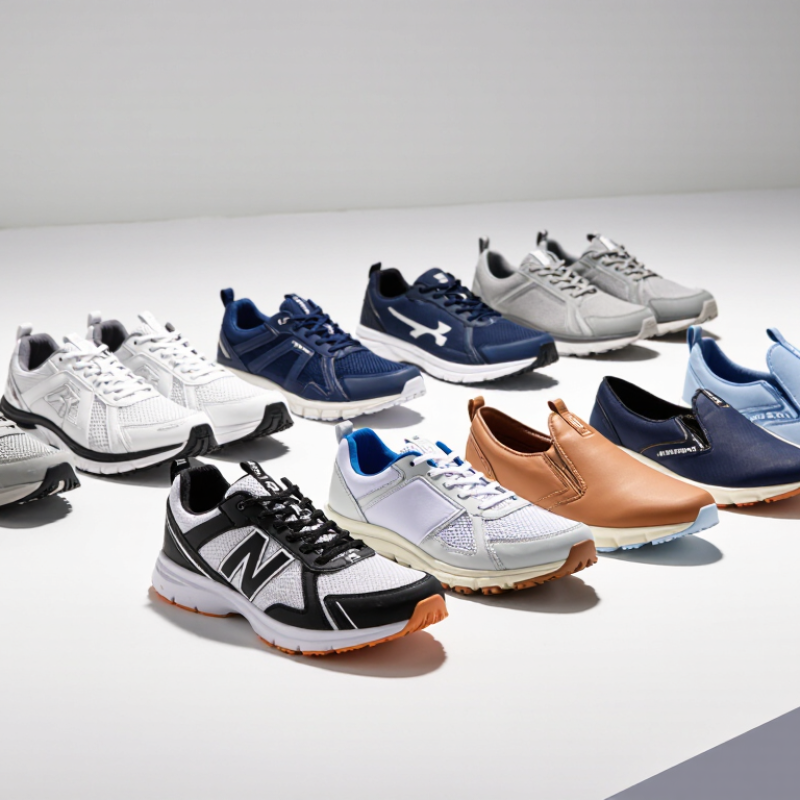
Choosing the right pair of Casual Walking Shoes can make a familiar route feel easier, whether it means a daily commute, errands, or a long afternoon outdoors. This guide introduces ten options for men and women, with attention to cushioning, fit, weight, breathability, and grip. A soft midsole may feel pleasant on a short walk, but support and stability can matter more over several hours. Look closely at the heel, too; rubbing there can turn a promising pair into an uncomfortable one.
Small details matter. Feet are particular.
The selections are intended to help readers compare styles and features, not to promise that one shoe will suit everyone. A roomy toe box can help some walkers, while others prefer a closer fit. Consider the surfaces you use most, from smooth sidewalks to damp paths, and check the manufacturer’s sizing guidance before ordering. Reviews and product specifications can offer useful clues, though they cannot fully predict how a shoe will feel on your own feet. That is an imperfect part of shopping online. The best choice is usually the pair that fits securely, feels comfortable during ordinary movement, and matches your routine—not simply the one with the most impressive claims.
The CDC recommends that adults get at least 150 minutes of moderate-intensity activity each week. Brisk walking can help meet that goal. A practical pace makes breathing quicker, while still allowing conversation. You can split the minutes across the week; a 30-minute walk on five days is one option. Start small. A short walk after lunch still counts toward building a routine.
Comfortable shoes can make regular walks easier to maintain. Look for a secure heel, enough room for your toes, and cushioning that feels supportive on your usual route. Try shoes later in the day, when feet may be slightly swollen, and walk around the store before deciding. Fit varies, and a popular style may not suit your feet. I sometimes underestimate how much a rough sidewalk changes the feel of a shoe, so test comfort on similar surfaces when possible. A shoe cannot replace gradual training or medical advice for ongoing pain.
Tips: Put a weekly walking plan on your calendar, then increase time gradually. Check that your socks do not bunch at the toes. If a walk leaves you with persistent pain, reduce activity and seek guidance from a qualified health professional.
Fit starts with measurements, not a familiar size label. A Brannock device records heel-to-toe length, arch length, and forefoot width while you stand. Measure both feet; small differences are common. Choose the fit that accommodates the larger foot, then check that your heel feels secure and your toes can spread. A 2018 systematic review in the Journal of Foot and Ankle Research reported that 63–72% of participants wore ill-fitting footwear. Treat that finding as a reason to measure carefully, not as a guarantee that one reading settles the question.
Fit changes with shoe shape, socks, and time of day. Try walking shoes with the socks you expect to wear. Walk several steps and notice pressure across the ball of your foot. Your toes should not touch the front when you stand. A device cannot judge comfort for you. I would not ignore a tight spot just because the number looks right.
Tips: Measure late in the day, when feet may be larger. Check each foot separately. Compare length and width, then walk around for a minute. A little extra toe room can help; too much may let your foot slide.
Length-scale increments across ten consecutive adult US shoe sizes
How to read this chart: Each full US size step represents ⅓ inch (8.47 mm), so the bars show the cumulative increment relative to size 6. These are scale increments—not the inside length of a shoe or a fit guarantee. Measure both feet on a Brannock device for length and width, and use the larger foot when choosing a size. Width should be assessed separately because the chart does not assign a fixed width measurement to each size.
For a list of the top ten casual walking shoes for men and women, cushioning and support deserve more attention than a soft first impression. A cushioned sole can soften the impact of pavement, while a stable heel may help the foot feel secure. Yet extra softness is not always better. Some walkers prefer a firmer base, especially on longer routes or uneven sidewalks.
The APMA Seal of Acceptance comes from the American Podiatric Medical Association, which evaluates products for their potential benefit to foot health. It can be a useful signal when comparing shoes, but it is not a promise of comfort or a substitute for individual fit. Feet differ. Check that your toes can spread, your heel does not slip, and the shoe feels comfortable during a short walk. A seal cannot tell you how your feet will feel after three miles.
Tips: Try shoes late in the day, when feet may be slightly swollen. Walk on a hard surface and notice pressure under the arch or ball of the foot. If discomfort persists, reassess the fit or seek advice from a qualified foot-care professional. A good choice can still take a little trial and error.
For casual walking shoes, outsole grip matters on wet station tiles, polished shop floors, and damp pavement. ASTM F2913 evaluates friction between a complete shoe and a floor surface under controlled conditions. That makes it more informative than judging tread by appearance alone. Still, a test result describes a particular setup, not every surface a walker may encounter.
The outsole’s rubber compound, tread shape, and contact area can all affect traction. Broad grooves may help channel water, while shallow patterns can lose effectiveness as the sole wears. ASTM F2913 testing can provide a useful comparison when shoes are assessed under the same conditions. Small differences in the test surface or contamination can change the result, so numbers need context.
A high friction result is helpful, but it cannot promise that a shoe will never slip. Real sidewalks have leaves, dust, uneven seams, and changing weather. I would not treat one score as a complete verdict; that is an easy mistake to make. Look for clear test information, then consider fit, comfort, and the places you actually walk. Even good grip has limits.
The entries below are general shoe profiles, not specific products. Outsole designs are typical examples; grip varies by shoe model, surface, and test conditions.
| No. | Casual Walking Shoe Profile | Typical Upper and Fit | Typical Outsole Design | Good Match For | ASTM F2913 Slip-Resistance Evidence |
|---|---|---|---|---|---|
| 1 | Everyday walking sneaker | Textile or synthetic upper; conventional lace-up fit | Rubber outsole with flex grooves and patterned contact zones | Daily errands and paved paths | No result can be assigned to this profile; check the exact model’s test report. |
| 2 | Knit casual sneaker | Breathable knit upper; often a sock-like or close-fitting construction | Rubber or rubber-like sole, sometimes with smaller tread zones | Warm-weather walking and indoor-to-outdoor use | Not stated; knit construction does not establish outsole slip resistance. |
| 3 | Leather casual sneaker | Leather or coated-leather upper; typically lace-up | Flat rubber outsole, often with shallow patterned tread | Commuting and casual everyday wear | Not stated; a smooth or patterned appearance is not a substitute for test data. |
| 4 | Casual slip-on sneaker | Stretch panels or elastic gore; fit depends on heel hold and foot shape | Flexible rubber outsole with shallow to moderate tread | Convenient short walks and travel | Not stated; request a report for the specific shoe if slip resistance matters. |
| 5 | Wide-fit walking shoe | Roomier forefoot option; width availability varies by model | Rubber outsole with a broad base and multi-directional tread pattern | Walkers needing more forefoot space | Not stated; fit width does not indicate slip-resistance performance. |
| 6 | Cushioned walking sneaker | Padded collar and cushioned midsole; lace-up upper is common | Rubber outsole sections placed at high-wear contact areas | Longer walks on hard, even surfaces | Not stated; cushioning does not predict the outsole’s measured friction. |
| 7 | Lightweight travel sneaker | Light textile or synthetic upper; often flexible for packing | Flexible rubber outsole with a relatively low-profile tread | City sightseeing and packable everyday use | Not stated; verify model-specific testing for the intended walking surfaces. |
| 8 | Weather-resistant casual shoe | Treated or membrane-lined upper; may feel less breathable than mesh | Rubber outsole with more pronounced tread lugs or channels | Damp sidewalks and variable weather | Not stated; water resistance and slip resistance are separate properties. |
| 9 | Minimalist casual walking shoe | Flexible upper; typically a low-profile construction with limited underfoot cushioning | Thin, flexible rubber outsole; tread depth varies | Walkers who prefer a closer-to-ground feel | Not stated; low-profile construction alone cannot confirm grip. |
| 10 | Flat casual walking shoe | Simple textile or synthetic upper; usually a low-cut profile | Flat rubber sole with a uniform or lightly patterned tread | Casual, short-distance walking on dry, even ground | Not stated; seek exact-model test results rather than relying on appearance. |
ASTM F2913 is a test method for measuring the coefficient of friction of footwear under specified conditions; it is not a universal pass/fail rating. Meaningful comparisons require results for the exact shoe and stated test conditions.
A useful comparison starts with fit, cushioning, stability, grip, breathability, weight, and price—not appearance alone. For each shoe, check whether the heel stays secure and toes can spread without rubbing. Walk on a firm surface, then try stairs or a short outdoor route. Small details matter. The American Podiatric Medical Association’s 2014 survey found that 77% of U.S. adults had experienced foot problems. That finding is not a shoe test, but it underlines why comfort deserves careful attention. Shoes should be compared in the same size range and under similar conditions; otherwise, a ranking can mislead.
For grip, ASTM International’s F2913 footwear slip-resistance test offers a standardized method for measuring traction. It is a useful reference, though results may not predict every wet sidewalk or polished floor. Cushioning also needs context: a soft sole can feel pleasant in a shop, yet less stable on uneven paths. The CDC recommends adults get at least 150 minutes of moderate-intensity activity each week, making everyday comfort relevant to regular walking. Still, one pair will not suit every foot. I would give extra weight to secure fit and steady steps, while noting that these judgments involve some subjectivity. Check return terms, too. A short indoor try-on cannot reveal how a shoe feels after several miles.
Measure heel-to-toe length, arch length, and forefoot width while standing. Check both feet, since they may differ slightly.
Use the larger foot as your starting point. Then check that the heel feels secure and your toes can spread.
Try late in the day, when feet may be larger. Wear the socks you expect to use with the shoes.
Stand and walk a few steps. Your toes should not press against the front, and the ball of your foot should not feel pinched.
No. It gives useful measurements, but it cannot judge how a shoe feels. A tight spot still matters, even when the size looks right.
Compare fit, cushioning, stability, grip, breathability, weight, and price. Try them on a firm floor, then use stairs or a short outdoor route.
Not necessarily. It may feel comfortable in a shop but less steady on uneven paths. I still find this tricky.
Not fully. Walk around indoors, and check the return terms before deciding. A few minutes may not reveal discomfort after several miles.
Choosing the right Casual Walking Shoes starts with understanding how they fit into a healthy routine. The CDC recommends at least 150 minutes of moderate-intensity activity each week, and comfortable walking shoes can help make regular walks easier to maintain. A good selection process should consider how often and where you walk, as well as whether the shoe feels comfortable from the first try-on.
Fit, cushioning, support, and traction all matter. Measure both foot length and width with a Brannock device, then check that there is enough room around the toes and that the heel feels secure. Consider cushioning and support features, and use the APMA Seal of Acceptance as one helpful reference when evaluating footwear. For outsole grip, ASTM F2913 provides a standardized method for testing slip resistance. Comparing shoes against these practical criteria can help men and women find a comfortable option for everyday walks.

Search4Fun Shoes