Choosing the best 2026 Zoom Running Shoes requires more than checking launch dates or celebrity endorsements. A promising model may feel fast on a smooth track, yet uncomfortable after eight miles on uneven pavement. This guide examines cushioning, stability, weight, heel-to-toe drop, traction, and everyday durability. It also considers how different runners use their shoes.
Biomechanist Benno Nigg is widely associated with the principle, “The best shoe is the one that feels best.” That idea remains useful, but it is not complete. Fit, running form, training volume, and injury history can change the experience. A soft midsole may protect tired legs during long runs. It may also feel unstable during sharp turns. A carbon-fiber plate can improve speed for some athletes. It can feel demanding for others.
Real testing matters. We will look at how each pair performs on wet sidewalks, indoor tracks, and longer weekend routes. We will notice pressure around the toes, heel movement, and heat buildup near the arch. Small details often decide whether a shoe stays in rotation.
No ranking is perfect. Even experienced testers can disagree. Personal comfort remains difficult to measure. Still, careful comparisons can reveal which Zoom Running Shoes offer the strongest balance of speed, comfort, support, and value in 2026. The final choice should match your body and goals, not merely the newest logo or loudest claim.
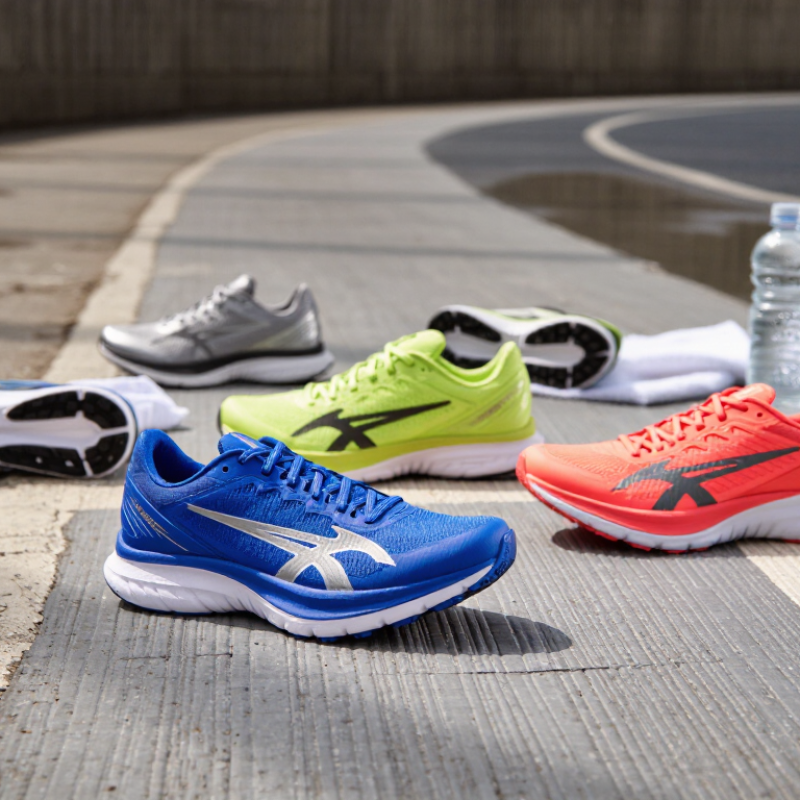
What Are the 2026 Top Zoom Running Shoes?
Defining Zoom Running Shoes and Their 2026 Categories
“Zoom running shoes” is not an official technical category. It describes shoes that feel quick, springy, and responsive underfoot. The term usually points to lightweight foam, moderate flexibility, and a smooth transition from heel to toe. The label is useful, but imperfect.
The 2024 Sports & Fitness Industry Association Topline Participation Report recorded about 50.6 million U.S. running and jogging participants in 2023. That broad audience needs more than one shoe type. In 2026, practical categories include daily zoom trainers, tempo shoes, race shoes, trail models, and stability-focused options. Daily trainers should balance cushioning and durability. Tempo shoes need firmer foam and a faster rocker. Race shoes usually reduce weight, but they can feel unstable during slow miles. Trail versions require deeper grip and stronger side protection.
World Athletics rules limit road-racing shoe stack height to 40 millimeters. That rule matters when runners compare highly cushioned designs. More foam does not automatically create more speed. Laboratory tests can measure energy return, yet they cannot fully predict comfort across different feet. I have found that a shoe feeling electric for three kilometers may feel harsh after fifteen. This is the overlooked detail. Fit, training pace, body weight, and surface still matter. A useful 2026 comparison should report weight, stack height, heel-to-toe drop, foam firmness, outsole grip, and tested mileage. Marketing language alone is weak evidence.
| 2026 Category | What Defines It | Best Training Use | Typical Construction | Recommended Runner | Key Selection Metric |
|---|---|---|---|---|---|
| Daily Responsive Trainer | A versatile running shoe that combines noticeable energy return with enough cushioning for frequent use. | Easy runs, steady runs, commuting, and general weekly mileage. | Moderate cushioning, flexible forefoot, durable rubber outsole, and a secure upper. | Runners who want one pair for most road-running sessions. | Balance between comfort, flexibility, stability, and weight. |
| Max-Cushion Comfort | Prioritizes impact protection and underfoot comfort over minimal weight or aggressive speed. | Long runs, recovery runs, high-mileage training, and hard pavement. | Thicker midsole, broad platform, padded collar, and durable heel construction. | Runners seeking a softer ride or extra protection during longer sessions. | Cushioning comfort without excessive instability or unwanted bulk. |
| Speed-Training Racer | Uses a highly responsive midsole and a geometry designed to support faster turnover. | Intervals, tempo runs, time trials, and race preparation. | Lightweight upper, firm or energetic foam, rocker-shaped forefoot, and efficient outsole. | Experienced runners who prefer a quick, direct, and responsive ride. | Weight, transition speed, forefoot flexibility, and high-speed stability. |
| Carbon-Plated Performance | Includes a rigid plate or plate-like element intended to improve propulsion and running efficiency. | Road racing and selected high-intensity workouts. | High-energy foam, stiff forefoot, curved geometry, lightweight materials, and race-focused fit. | Runners comfortable with a firm, guided, and less flexible ride. | Fit security, propulsion feel, cornering stability, and comfort at race pace. |
| Stability Responsive Trainer | Combines energetic cushioning with design features that help control excessive foot motion. | Daily mileage, moderate long runs, and structured training. | Wider base, supportive sidewalls, guided geometry, and a secure midfoot fit. | Runners who value guidance, confidence, and consistent foot placement. | Stability should feel smooth and unobtrusive rather than rigid. |
| Lightweight Tempo Trainer | Designed to be faster and lighter than a traditional daily trainer while remaining durable enough for repeated workouts. | Threshold sessions, progression runs, fartlek workouts, and short races. | Streamlined upper, responsive foam, moderate stack height, and flexible or rocker-assisted forefoot. | Runners wanting speed without the specialization of a dedicated racer. | Low weight combined with sufficient cushioning for repeated training. |
| Wide-Fit Responsive Shoe | Provides more room in the toe box or midfoot while retaining a responsive underfoot sensation. | Daily runs, long runs, and warm-weather training when feet may swell. | Roomier forefoot, adaptable upper, stable platform, and moderate-to-high cushioning. | Runners with broad feet, sensitive toes, or a preference for natural toe spread. | Toe comfort, heel security, and absence of pressure during longer runs. |
| All-Weather Road Trainer | Focuses on dependable traction, protection, and cushioning across changing road conditions. | Wet roads, winter training, daily commuting, and mixed-weather mileage. | High-coverage upper, abrasion-resistant outsole, reliable rubber contact, and stable cushioning. | Runners who train outdoors throughout the year and value consistency. | Wet-surface grip, upper protection, drying performance, and outsole durability. |
Cushioning should absorb impact without making each step unstable. A thick midsole may feel pleasant on pavement. Uneven paths can expose unwanted wobbling. Softer is not always better.
Responsive foam can make later kilometers feel lighter. Too much rebound may reduce control. A calmer ride sometimes feels better when fatigue changes your stride.
Wear your usual running socks. Walk, jog, and stop suddenly indoors. Your toes should move freely. Leave about a thumb’s width beyond your longest toe.
Do not rely only on the listed width. Check how much the upper stretches. Compare both feet. A tight forefoot may become painful after thirty minutes.
Look for a firm platform and gentle heel guidance. Stability should not force the foot into one position. However, this preference may not suit everyone.
A responsive daily trainer may suit neutral runners on paved surfaces. It works well for many five-to-ten-kilometer runs. It may feel too firm for heavier runners or beginners.
Beginners, high-mileage runners, and people returning after a break may prefer extra cushioning. It can feel gentler during slower sessions. Fit still matters more than appearance.
Not usually. Lightweight racers can feel quick for experienced runners with efficient form. Their thinner protection may punish slow, long sessions. I would not use one daily.
Replace them when the midsole feels flat. Do not judge only by outsole wear. Foam can soften, and uppers can loosen. Recheck the fit after several runs.
Record the surface, distance, pace, and weather. Test shoes across different sessions. My first impression may be wrong. Comfort can change as the shoe breaks in.
The 2026 Zoom Running Shoes category includes a wide range of performance footwear designed to support different running goals, from daily training and long-distance comfort to speed workouts and race-day efficiency. The leading models can be compared by their cushioning, stability, fit, flexibility, and energy return, helping runners understand how each design performs on different surfaces and distances. Some prioritize soft impact protection, while others offer a firmer, more responsive ride for faster movement.
Choosing the right pair depends on individual needs, including running experience, foot shape, preferred pace, training volume, and support requirements. Durability, pricing, outsole traction, breathability, and long-term comfort should also influence the decision. By matching each model’s strengths to a specific runner profile, athletes can select Zoom Running Shoes that provide an effective balance of comfort, confidence, performance, and lasting value throughout the 2026 running season.

 Search4Fun Shoes